Teaching is one of the most demanding professions, with 81% of education staff experiencing mental health symptoms due to work-related stress. Many teachers spend evenings and weekends grading papers, planning lessons, and responding to emails instead of resting and enjoying their personal lives.
This constant cycle of work can lead to burnout, exhaustion, and a decline in both teaching quality and personal wellbeing.
Teachers who establish clear boundaries between work and home life experience better mental health, stronger relationships, and greater job satisfaction. The challenge is not about creating a perfect schedule but about learning practical strategies to protect personal time.
Simple changes like leaving work at school, setting specific work hours, and saying no to unnecessary commitments can make a significant difference. Finding balance requires teachers to recognize that rest is not optional but essential for effective teaching.
When educators take time to recharge, they bring more energy, creativity, and patience to their classrooms.
Key Takeaways
- Setting boundaries between work and personal time protects mental health and prevents burnout
- Practical strategies like limiting work brought home and prioritizing tasks make teaching sustainable
- Teachers who rest and recharge outside of school become more effective and engaged in the classroom
Why Teachers Deserve to Relax at Home

Teachers face unique workplace pressures that drain both mental and emotional energy throughout the school day. The teaching profession requires constant engagement with students, lesson planning, and administrative tasks that extend far beyond classroom hours.
Rest becomes essential rather than optional.
The Unique Demands of the Teaching Profession
The teaching profession involves multiple responsibilities that occur simultaneously throughout each day. Teachers manage classroom instruction, address individual student needs, handle behavioral issues, and communicate with parents.
They spend hours preparing lesson plans, grading assignments, and adapting materials for different learning styles. Most teachers work beyond their contracted hours.
They arrive early to set up classrooms and stay late for meetings or tutoring sessions. Many take work home during evenings and weekends.
This extended workload leaves little time for personal activities or family obligations. Teachers also serve as mentors, counselors, and role models.
They monitor student well-being, identify learning challenges, and create safe learning environments. These emotional demands require sustained mental focus and empathy throughout each day.
The Impact of Chronic Stress on Educators
Chronic stress affects mental health and physical well-being in measurable ways. Teachers who experience ongoing stress report higher rates of anxiety, depression, and sleep problems.
Their immune systems weaken, making them more susceptible to illness. Teacher burnout occurs when stress accumulates without adequate recovery time.
Burned-out educators lose enthusiasm for their work and struggle to maintain patience with students. This condition affects job satisfaction and leads many teachers to leave the profession entirely.
Studies show that 73 percent of teachers find their work stressful on a regular basis. They frequently end their workdays feeling physically and emotionally drained.
Without proper rest periods, this exhaustion compounds over time and reduces their effectiveness in the classroom.
Understanding the Necessity of Rest
Rest allows the brain to process information and restore cognitive function. Teachers who get adequate downtime return to their classrooms with improved focus and decision-making abilities.
They handle challenging situations more effectively and respond to students with greater patience. Time away from work responsibilities supports creativity and innovation.
Teachers develop new teaching strategies and fresh approaches to curriculum design when they step back from daily routines. This mental space leads to more engaging lessons and better student outcomes.
Rest also enables teachers to maintain work-life balance. They need time to pursue personal interests, spend time with family, and take care of their own health needs.
A well-rested teacher models healthy boundaries for students and creates a more positive classroom environment.
The Importance of Work-Life Balance for Educators
Teachers face unique pressures that make maintaining boundaries between professional and personal life difficult. Understanding what work-life balance means for educators, recognizing the signs of imbalance, and knowing the benefits of prioritizing wellbeing helps teachers protect their mental health and career longevity.
Defining Teacher Work-Life Balance
Teacher work-life balance means having clear boundaries between school responsibilities and personal time. It involves limiting how much work comes home and being realistic about time constraints during and after school hours.
This balance looks different for each educator. Some teachers might check email only during school hours.
Others might set specific times for grading and lesson planning that don't bleed into family time. The key is creating sustainable patterns.
A teacher with good work-life balance can prepare for classes, support students, and complete administrative tasks without sacrificing personal relationships or health. They know when to say no to extra commitments.
True balance means teachers feel present in both work and personal settings. They don't spend evenings worrying about school problems or feel guilty for taking breaks.
Consequences of Imbalance in Education
Education consistently ranks among the top fields for burnout. Teachers who lack work-life balance often experience exhaustion, stress, and reduced passion for teaching.
Many educators work far beyond their contracted hours. They grade papers at night, answer emails on weekends, and plan lessons during family time.
Mental health suffers when teachers can't disconnect from work. Chronic stress affects sleep quality, relationships, and physical health.
Some teachers question whether they chose the wrong career entirely. Student learning also takes a hit.
Burned-out teachers have less energy for creative lessons and meaningful student interactions. The whole classroom environment suffers when educators feel overwhelmed.
Teacher retention becomes a problem. Educators leave the profession at higher rates when they can't maintain healthy boundaries.
Schools lose experienced staff who might have stayed with better support for wellbeing.
Benefits of Prioritizing Wellbeing
Teachers who protect their personal time report feeling more present and engaged both at school and home. They arrive at work focused and ready to teach effectively.
Key benefits include:
- Increased job satisfaction and enjoyment of teaching
- Better relationships with students, colleagues, and family
- Higher energy levels throughout the school day
- Improved focus during grading and lesson planning
- Greater career longevity in education
Teacher wellbeing directly impacts classroom quality. Educators who rest properly bring more creativity and patience to their lessons.
They handle student challenges with clearer judgment. Mental health improves significantly when teachers set boundaries.
They experience less anxiety about unfinished tasks and feel more control over their schedules. This stability helps them stay in the profession longer.
Schools benefit too. Teachers with good work-life balance take fewer sick days and contribute more positively to school culture.
They model healthy habits for students and colleagues.
Establishing Boundaries and Healthy Routines
Teachers need clear limits between their professional and personal lives to maintain their well-being and prevent burnout. Simple changes like defining work hours and creating separate spaces for school tasks can reduce stress and improve mental clarity.
Setting Boundaries Between School and Home
Teachers should decide which work tasks are truly urgent and which can wait until school hours. Not every assignment needs to be graded immediately, and students will still learn effectively if feedback comes during the next school day instead of that same evening.
Removing work email from personal phones helps create natural separation. Many teachers automatically check their email whenever they unlock their phones, which keeps them mentally tied to work even during personal time.
Keeping email access limited to school-provided devices ensures teachers only engage with work messages when they choose to. Teachers should communicate their availability clearly to students and parents.
This means stating specific times when they can answer questions or meet for extra help. When someone requests a meeting during a busy teaching day, teachers can suggest an alternative time that works better for their schedule.
Key boundaries to establish:
- Only bring home work that must be completed by the next morning
- Set specific hours for checking and responding to emails
- Tell students and colleagues when you are unavailable
- Apologize only when contacting others during truly urgent situations
Creating a Dedicated Workspace at Home
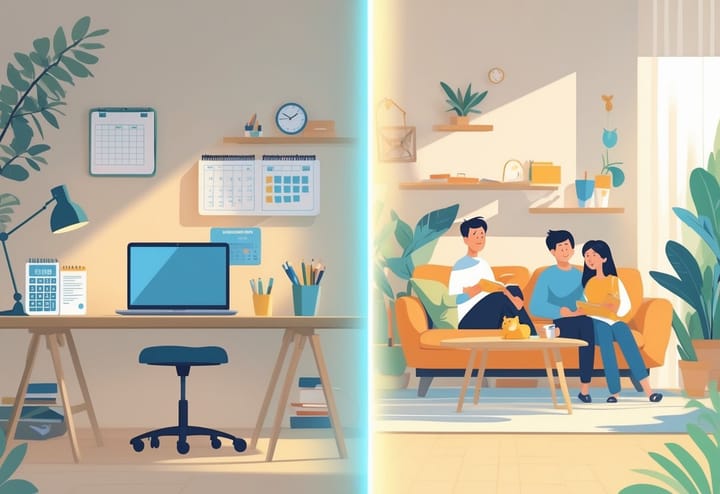
A separate workspace helps the brain switch between work mode and home mode. Teachers who work from their couch or bed often find it harder to relax in those spaces later.
The workspace should contain only school materials and supplies. When teachers finish their work for the day, they can physically leave this space and close the door.
This simple action signals to the brain that work time has ended. Teachers should avoid bringing unnecessary work materials home.
Before packing a bag at the end of the school day, they should ask whether each item truly needs to leave the building. Many resources and assignments can stay at school and be completed during work hours.
Setting up the workspace near natural light and away from high-traffic areas helps maintain focus during necessary home work sessions. The space should feel different from relaxation areas to reinforce the mental separation between professional and personal time.
Building Healthy Daily Habits
Morning routines that include time before checking work messages help teachers start their day with calm and mental clarity. Arriving at school earlier to handle email and preparation during paid hours protects personal time at home.
Teachers should treat their planning periods and lunch breaks as protected time. When every free moment gets filled with meetings or student requests, stress builds throughout the day.
Some requests can wait, and some meetings can be scheduled for less busy days.
Daily habits that support stress reduction:
- Arrive early to check email during work hours
- Protect lunch and planning time like teaching time
- Grade assignments during school hours when possible
- Leave school materials at school unless absolutely needed
Physical movement during the school day helps release tension and improve focus. Teachers can take brief walks between classes or do simple stretches during planning periods.
Sleep schedules suffer when teachers work late into the evening. Setting a specific time to stop all work-related tasks allows the mind to rest before bed.
This boundary improves sleep quality and makes teachers more effective in the classroom the next day.
Strategies for Reducing Teacher Workload at Home
Teachers can cut down on after-school work by using smarter planning methods, helpful technology tools, better communication systems, and team approaches. These practical changes help protect personal time while maintaining quality instruction.
Smart Lesson Planning and Grading
Teachers can save hours by reusing and adapting lesson plans instead of creating everything from scratch. Keeping a organized digital folder of successful lessons allows quick modifications for different classes or years.
Whole class marking reduces grading time significantly. Teachers review student work and note common strengths and areas for improvement, then share feedback with the entire class.
Students respond to this feedback during class time, eliminating the need for individual written comments in each notebook. Verbal feedback during class provides immediate guidance without extra homework.
Teachers can walk around while students work and offer specific suggestions in real time. Self and peer assessment strategies also lighten the grading load.
Students learn to evaluate their own work or review a classmate's answers using simple rubrics. This approach builds critical thinking skills while freeing up teacher time at home.
Setting clear limits on detailed feedback helps too. Not every assignment needs comprehensive comments.
Teachers can choose which assessments receive full reviews and which get quick checks for completion or accuracy.
Leveraging Technology and Tools
Google Classroom streamlines assignment distribution and collection. Teachers post instructions once, and students submit work digitally.
The platform organizes submissions by class and student, eliminating paper shuffling at home. Automated grading features in online quiz tools provide instant feedback to students.
Multiple choice and short answer questions can self-grade, leaving teachers to focus only on open-ended responses that require human judgment. Digital planning tools and shared resource banks save preparation time.
Many schools maintain collections of vetted lesson materials that teachers can access and customize rather than building lessons from zero. Calendar apps help teachers block out specific work hours and protect personal time.
Setting phone notifications to silent mode after a certain hour prevents work emails from intruding on evening activities. Behavior tracking systems with simple digital logging reduce administrative time.
Teachers can record incidents quickly with minimal text entry rather than writing lengthy reports at home.
Managing Parent Communication Effectively
Establishing set communication windows prevents constant interruptions. Teachers can designate specific times for responding to parent emails, such as between 4 and 5 PM on weekdays only.
Template responses for common questions save significant time. Teachers create standard replies for frequent topics like homework policies, classroom expectations, or general progress updates.
They personalize these templates with student-specific details as needed. Batching parent communications into weekly updates works better than responding to individual questions all week long.
A single email or online post covering classroom activities, upcoming events, and general reminders reduces back-and-forth messages. Setting clear response time expectations helps manage parent demands.
Teachers can state in their communication policy that they will reply within 24 to 48 hours during weekdays only. Using school communication platforms keeps all messages in one place.
Parents send questions through the official system rather than personal phone numbers or social media accounts.
Collaborating and Delegating Where Possible
Grade level teams can share lesson planning duties by dividing subjects or units. One teacher creates the math lessons while another handles science, then they exchange materials.
This cuts individual planning time in half or more. Sharing schemes of work across departments ensures teachers don't duplicate effort.
When multiple teachers cover the same content, they can split the resource creation and all benefit from the combined materials. Teaching assistants can handle certain tasks when given clear instructions ahead of time.
They can prepare materials, set up activities, or work with small groups if they receive lesson plans in advance. Joining teacher networks provides access to tested resources.
Local and national groups share successful lessons and strategies that teachers can adapt rather than inventing everything independently. New teachers benefit from mentorship programs that provide ready-made materials and guidance.
Experienced colleagues can share their resource libraries and offer practical tips for managing workload efficiently.
Nurturing Mental and Physical Wellbeing
Teachers face unique pressures that directly impact their mental and physical health. Understanding burnout warning signs, implementing daily stress management practices, and building support networks are essential steps to maintain wellbeing throughout a teaching career.
Recognizing and Preventing Teacher Burnout
Teacher burnout manifests through specific warning signs that educators need to identify early. Physical symptoms include chronic fatigue, frequent headaches, and changes in sleep patterns.
Mental health indicators involve feeling emotionally drained, developing a cynical attitude toward students or colleagues, and experiencing reduced sense of accomplishment. Prevention starts with acknowledging workload limits.
Teachers should track their weekly hours to identify when work extends beyond reasonable boundaries. Many educators arrive before sunrise and stay well past contractual hours, which creates unsustainable patterns.
Setting realistic expectations helps prevent burnout. Teachers cannot fix every student problem or attend every school event.
This recognition allows educators to focus energy where it matters most.
Key prevention strategies include:
- Taking mental health days when needed
- Declining extra commitments that exceed capacity
- Maintaining clear start and end times for work tasks
- Monitoring emotional responses to daily challenges
Practical Techniques for Stress Reduction
Physical exercise provides immediate stress relief for teachers. A 20-30 minute walk, yoga session, or gym workout reduces tension and improves mood.
Exercise also increases energy levels needed to manage classroom demands. Mindfulness practices help teachers stay present and focused.
Daily meditation for 5-10 minutes, gratitude journaling, or breathing exercises create mental space between work stress and personal time. These techniques require minimal time but deliver significant benefits.
Teachers should remove work email from personal phones to create clear boundaries. Designating specific times to check messages prevents constant work intrusion into personal hours.
This separation allows genuine rest and recovery.
Effective daily practices:
- Schedule exercise as non-negotiable appointments
- Practice gratitude by noting three positive moments each day
- Use apps for guided meditation or breathing exercises
- Establish technology-free hours at home
Seeking Professional and Peer Support
Professional counseling provides teachers with specialized support for managing work-related stress. Many school districts offer employee assistance programs that include free therapy sessions.
Mental health professionals understand educator-specific challenges and can provide targeted coping strategies. Peer support from fellow teachers creates valuable understanding and shared problem-solving.
Colleagues face similar challenges and can offer practical advice on classroom management, workload distribution, and administrative navigation. Regular conversations with trusted peers reduce feelings of isolation.
Teachers should identify specific support needs before seeking help. Some situations require professional intervention, while others benefit from colleague input.
Administrative support matters too, as school leaders who listen to educator concerns and build responsive support systems create healthier work environments.
Sustaining Job Satisfaction and a Fulfilling Life Outside School
Teachers who maintain strong connections to life beyond the classroom experience higher job satisfaction and better overall wellbeing. The key involves celebrating professional wins, building personal interests, and creating systems that support long-term career health.
Celebrating Achievements and Milestones
Teachers often focus on what needs improvement rather than recognizing what they've accomplished. Taking time to acknowledge classroom successes helps maintain job satisfaction and motivation.
Small wins matter just as much as big ones. A student finally understanding a difficult concept, a successful lesson plan, or positive feedback from a parent all deserve recognition.
Teachers can keep a "win folder" with positive emails, student notes, and examples of good work to review during tough days. End-of-year reflections work well for bigger milestones.
Teachers should document curriculum improvements, student growth data, and professional development completed. This creates a record of progress that makes the work feel meaningful.
Sharing achievements with trusted colleagues creates accountability and support. A teaching partner or friend can help celebrate wins that might otherwise go unnoticed.
Many teachers find that talking about successes with someone outside education gives fresh perspective on their impact.
Cultivating Interests and Relationships
Life outside school directly affects teacher wellbeing and classroom performance. Teachers who invest in personal interests and relationships report lower burnout rates and greater career longevity.
Personal interests worth prioritizing:
- Physical activities like walking, sports, or yoga
- Creative hobbies such as art, music, or gardening
- Reading books unrelated to teaching
- Volunteer work in non-education settings
Time with family and friends needs protection from work demands. Teachers should schedule personal activities the same way they schedule meetings.
Setting specific times for dinner with family, phone calls with friends, or hobby time makes these activities more likely to happen. Relationships suffer when teachers always bring work stress home.
Creating a transition routine between work and home helps. This might include a short walk, changing clothes, or ten minutes of quiet time before engaging with family.
Long-Term Approaches to Teacher Sustainability
Sustainable teaching careers require ongoing attention to work-life balance and job satisfaction. Teachers need systems that protect their energy and time over years, not just during crisis moments.
Setting annual boundaries prevents gradual workload creep. Each school year, teachers should identify which extra duties they'll take on and which they'll decline.
Saying yes to everything leads to resentment and exhaustion. Professional growth should align with personal values and interests.
Taking on leadership roles or additional certifications works best when these opportunities genuinely interest the teacher. Forced professional development rarely improves job satisfaction.
Regular check-ins about career direction help teachers stay intentional. Questions to ask include: Does this job still match my values? Am I growing in ways that matter to me?
What would make next year more sustainable? Financial planning supports long-term sustainability too.
Teachers who understand their benefits, retirement options, and salary trajectory feel more secure. This reduces stress about money and helps with decisions about staying in the profession.
Frequently Asked Questions
Teachers face unique challenges when trying to maintain balance between their professional duties and personal lives. These common questions address practical ways educators can protect their well-being, set healthy boundaries, and create sustainable routines that support both their teaching effectiveness and personal happiness.
How can teachers effectively manage stress from the workplace while at home?
Teachers can manage work-related stress at home by creating clear mental and physical separation from their job. This starts with establishing a designated workspace if grading or planning must happen at home, then closing that space when work time ends.
Mindfulness practices like meditation or journaling help teachers process the day's events and release tension. Even five minutes of deep breathing exercises can calm the nervous system after a challenging day.
Physical activity serves as a powerful stress reliever. A short walk, yoga session, or quick workout helps teachers shift their focus away from work concerns.
Talking with supportive friends or family members provides an outlet for processing difficult emotions. However, teachers should set a time limit for work-related discussions to avoid dwelling on problems all evening.
What strategies can educators use to disconnect from work during personal time?
Removing work email from personal devices creates a natural barrier between professional and personal life. Teachers who check email constantly never fully disconnect from their responsibilities.
Setting specific times to handle work communications helps contain job duties to designated hours. For example, a teacher might check email only between 7-8 AM and 4-5 PM on weekdays.
Creating rituals that signal the end of the workday helps the brain shift modes. This could involve changing clothes, taking a shower, or playing specific music that marks the transition to personal time.
Engaging in absorbing hobbies demands full attention and leaves little room for work thoughts. Activities like reading, cooking, crafting, or playing music require enough focus to crowd out classroom concerns.
Turning off work-related notifications during evenings and weekends protects leisure time from constant interruptions. Teachers can set up automatic replies that inform others when they will respond to messages.
Why is it crucial for educators to establish boundaries between work and home life?
Without clear boundaries, teaching work expands to fill all available time and energy. The job naturally has no end point since there are always more lessons to improve, papers to grade, or students who need extra support.
Burnout occurs when teachers give continuously without adequate time to recharge. Educators who work every evening and weekend eventually lose enthusiasm for teaching and may experience physical and mental health problems.
Strong boundaries protect personal relationships that provide essential emotional support. Partners, children, and friends need quality time with teachers who are present and engaged rather than distracted by work concerns.
Teachers model healthy behavior for students when they demonstrate self-respect through boundaries. Students benefit from seeing adults who value their own well-being alongside their professional commitments.
Professional performance actually improves when teachers take genuine breaks. Rest allows the brain to process information and generate creative solutions that don't emerge during constant work.
What are some self-care techniques that teachers can incorporate into their daily routine?
Regular exercise provides both physical and mental health benefits for teachers. Even 20-30 minutes of movement per day reduces stress hormones and increases energy levels.
Adequate sleep forms the foundation of well-being and should be non-negotiable. Teachers need 7-9 hours of sleep to maintain focus, patience, and decision-making abilities in the classroom.
Healthy eating supports stable energy and mood throughout demanding school days. Preparing meals in advance helps teachers avoid relying on convenience foods that can worsen stress and fatigue.
Social connections outside of work remind teachers of their identity beyond their job title. Spending time with friends who aren't educators provides fresh perspectives and different topics of conversation.
Creative hobbies offer mental refreshment and a sense of accomplishment separate from teaching. Activities like gardening, painting, or playing an instrument engage different parts of the brain than lesson planning.
Small daily pleasures add up to significant well-being benefits. This might include enjoying a favorite beverage, reading for pleasure, or spending time in nature.
How does achieving a work-life balance benefit a teacher's professional performance?
Teachers who rest adequately return to the classroom with more patience and emotional resilience. They handle student misbehavior and unexpected challenges more calmly than exhausted educators.
Mental clarity improves when teachers step away from work regularly. Time away allows the subconscious mind to process problems and often produces better solutions than forced continuous effort.
Creativity flourishes when teachers expose themselves to experiences beyond their classroom walls. Books, travel, conversations, and hobbies all provide inspiration that enriches lesson planning and student interactions.
Job satisfaction increases when teachers feel their lives have multiple sources of meaning and enjoyment. Educators who find fulfillment outside work are less likely to become resentful of their jobs.
Physical health improves with adequate rest and self-care, resulting in fewer sick days. Teachers who prioritize well-being have more consistent energy and presence for their students.
Relationships with students often improve when teachers maintain healthy boundaries. Students respect educators who demonstrate self-respect and are more likely to trust their guidance.
What role does time management play in helping teachers relax at home?
Effective time management at school reduces the amount of work teachers must take home. Prioritizing essential tasks during planning periods and limiting perfectionism creates more freedom in the evenings.
Using a planner or digital calendar helps teachers visualize their commitments. Identifying overload before it happens allows teachers to spot opportunities to say no to additional requests.
Batching similar tasks improves efficiency and reduces mental switching costs. For example, grading all essays in one or two sessions is faster than spreading the work across many short periods.
Delegating appropriate tasks to students or colleagues lightens the workload without sacrificing quality. Students can handle classroom jobs like organizing materials or taking attendance.
Setting realistic deadlines with buffer time prevents last-minute stress. Planning ahead for parent conferences, report cards, and special events allows teachers to spread the work over several days.
Technology tools can automate repetitive tasks like grade calculations or attendance tracking. A few minutes spent learning new software can save hours over the course of a semester.