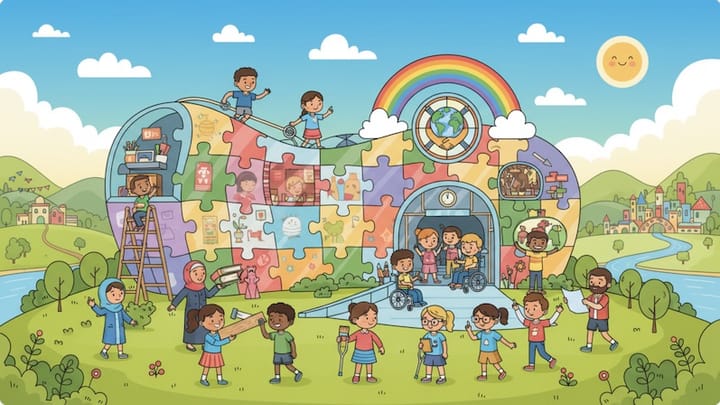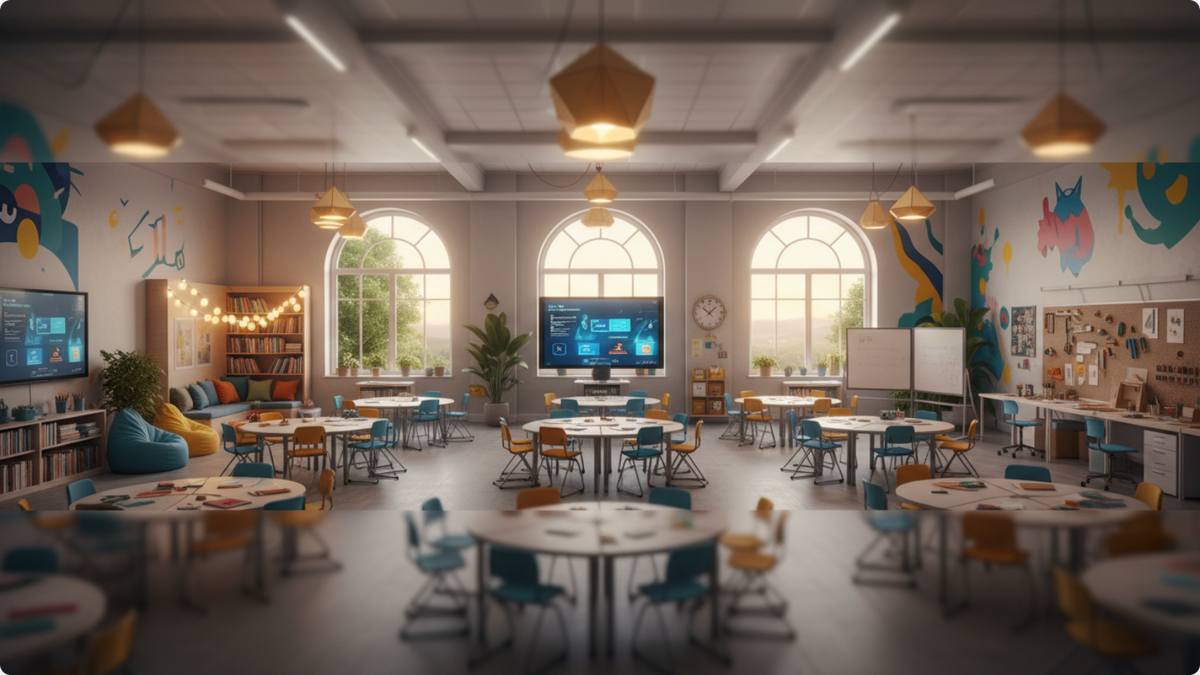
Your classroom setup affects how well students learn and behave every single day. The right learning space helps students focus better, work together more easily, and feel comfortable asking questions.
Small changes to your classroom can make a big difference in student success. Teachers don't need a huge budget or complete renovation to create an effective learning environment.
Simple adjustments to desk placement, storage areas, and visual displays can transform how students engage with lessons. This guide shares ten practical tips that work in real classrooms.
These strategies focus on creating spaces where students feel safe, stay organized, and have what they need to learn. Each tip is easy to implement and can be adapted to fit different teaching styles and classroom sizes.
Key Takeaways
- Classroom design directly impacts student focus, behavior, and learning outcomes
- Effective learning spaces balance organization, flexibility, and student comfort without requiring major expenses
- Teachers can improve their classrooms through strategic furniture placement, clear systems, and welcoming elements
Fundamental Elements of the Perfect Learning Space
The foundation of an effective classroom rests on four key components: a well-planned layout that supports movement and collaboration, strategic seating that keeps students focused, meaningful visual displays that reinforce learning, and an atmosphere where students feel safe and motivated to participate.
Designing an Effective Classroom Layout
A strong classroom layout considers both traffic flow and learning zones. Teachers should create clear pathways between desks, the door, and key areas like the reading corner or supply station.
This prevents bottlenecks and reduces disruptions during transitions. Arrange furniture so students can easily shift between independent work, small groups, and whole-class instruction.
Keep high-traffic areas away from quiet learning spaces. Storage and supplies require careful placement.
Put frequently used materials within easy reach but away from areas where they might distract students. Label bins and shelves clearly so students can find what they need without asking for help.
The teacher's desk should offer a clear view of the entire room. Position it where it doesn't block student movement or create blind spots.
Some teachers prefer standing desks or mobile carts that let them move around more freely.
Optimizing Seating Arrangements for Engagement
Different seating arrangements serve different purposes. Rows work well for tests and independent work.
Clusters of four to six desks encourage collaboration and discussion. U-shapes keep everyone visible and work well for class discussions.
Flexible seating options give students some control over their learning environment. This might include standing desks, floor cushions, wobble stools, or bean bags.
Not every student needs the same type of seat to focus and learn effectively. Teachers should change seating arrangements based on the lesson.
A science experiment might need lab stations. A literature circle works better with desks in a circle.
Assign seats strategically when needed. Place students who need extra support near the front or close to helpful peers.
Separate students who distract each other. Review and adjust arrangements every few weeks based on what works.
Utilizing Anchor Charts and Wall Displays
Anchor charts serve as visual references that students can use throughout the year. They work best when they capture key concepts, steps for solving problems, or important vocabulary.
Keep them simple and easy to read from anywhere in the room. Student work displays build confidence and create ownership of the space.
Rotate displays regularly so every student gets featured. Include work that shows growth and effort, not just perfect examples.
Wall displays should support current learning without overwhelming the space. Too many posters and charts create visual clutter that distracts rather than helps.
Remove outdated materials and refresh displays as units change.
Effective wall display guidelines:
- Use consistent colors and fonts
- Place charts at student eye level
- Leave some wall space empty
- Include student-created materials
- Update content monthly
Creating a Positive Learning Environment
A positive learning environment starts with clear expectations and consistent routines. Students need to know what behaviors are expected and what happens when they meet or miss those expectations.
Post rules in simple, positive language. The physical space should feel welcoming and comfortable.
Good lighting, proper temperature, and clean surfaces matter. Add plants, soft textures, or calming colors to make the room feel less institutional.
Safety comes first in any classroom. Students must feel physically and emotionally secure before they can focus on learning.
This means addressing bullying quickly, respecting different backgrounds, and creating space where mistakes are part of learning. Build community through small touches.
A greeting at the door, a cozy reading corner, or a class motto can help students feel connected. Celebrate achievements as a group and create traditions that bring the class together.
Classroom Management and Student Empowerment
Strong classroom management creates the foundation for student success while empowering learners to take charge of their education. Teachers who balance structure with student autonomy build spaces where learning thrives naturally.
Establishing Clear Expectations and Routines
Clear expectations remove confusion and help students understand what success looks like in the classroom. Teachers should outline specific rules for behavior, participation, and academic work during the first week of school.
These guidelines work best when stated in positive terms that tell students what to do rather than what to avoid. Daily routines provide predictable structures that reduce anxiety and maximize learning time.
Students need consistent procedures for entering class, turning in assignments, and accessing materials. When teachers practice these routines repeatedly during the first few weeks, they become automatic habits that require minimal reminders later.
Essential classroom expectations should cover:
- Respectful communication with peers and teachers
- Preparation requirements for class
- Procedures for asking questions and getting help
- Guidelines for group work and collaboration
- Consequences that match specific behaviors
Written expectations posted visibly in the room serve as constant reminders. Students benefit when teachers reference these standards regularly and apply them fairly to all learners.
Building Positive Relationships with Students
Positive relationships with students form the core of effective classroom management. Teachers who know their students' interests, strengths, and challenges can connect learning to what matters most to each individual.
This connection motivates students to engage more deeply with content and follow classroom guidelines. Simple actions like greeting students at the door, learning correct name pronunciations, and showing genuine interest in their lives build trust quickly.
Teachers should make time for brief one-on-one conversations that aren't about academics or behavior corrections. SEL practices strengthen these relationships further.
When teachers acknowledge emotions and teach coping strategies, students feel safe taking academic risks. This emotional security reduces behavioral issues because students want to maintain positive connections with teachers they respect.
Implementing Effective Classroom Management Strategies
Effective classroom management strategies prevent disruptions before they start. Teachers should arrange furniture to minimize distractions and maximize supervision sight lines.
Strategic seating places students who need extra support near the teacher while separating those who distract each other.
Proven management techniques include:
| Strategy | Purpose | Implementation |
|---|---|---|
| Proximity control | Redirect behavior non-verbally | Move near off-task students while teaching |
| Positive narration | Reinforce desired behaviors | Describe what students are doing well |
| Wait time | Increase participation | Pause 3-5 seconds after asking questions |
| Non-verbal signals | Correct minor issues quietly | Use hand gestures or eye contact |
Active supervision means scanning the room continuously rather than focusing on individual students for extended periods. Teachers should vary their position throughout lessons to maintain student attention across all areas.
Consistency matters more than strictness. Students need to see that rules apply equally to everyone and that consequences follow predictably from specific choices.
Encouraging Student Ownership and Responsibility
Student ownership transforms passive learners into active participants who take responsibility for their education. Teachers can offer choices in assignments, allowing students to select topics that interest them or demonstrate learning through different formats.
These options increase motivation while maintaining academic standards. Classroom jobs give students meaningful roles in daily operations.
Assigning responsibilities like materials manager, technology helper, or attendance monitor teaches accountability and builds community. Teachers should rotate these positions regularly so all students develop different skills.
Self-assessment tools help students monitor their own progress and set goals. Simple reflection questions about what they learned and what still confuses them develop metacognitive awareness.
Students who track their growth understand that effort leads to improvement, which builds persistence through challenges.
Streamlining Transitions and Use of Timers
Transitions between activities often waste significant learning time when not managed deliberately. Teachers should establish specific signals that indicate when to stop one task and begin another.
A chime, raised hand, or specific phrase alerts students to shift their attention. Timers create urgency and help students manage their work pace.
Visual timers work especially well because students can see time decreasing and adjust their effort accordingly. Teachers might display a timer during independent work, giving students a concrete deadline that reduces off-task behavior.
Effective transition strategies:
- Give two-minute warnings before changes
- State clear directions for the next activity before dismissing the current one
- Have materials ready and accessible
- Use consistent routines for common transitions
- Keep transition time under 30 seconds when possible
Practicing transitions like fire drills makes them smoother over time. Students who know exactly what to do during shifts between activities waste less time and maintain focus on learning rather than logistics.
Frequently Asked Questions
Teachers often have questions about creating better learning spaces, from design choices to teaching methods. The answers below address common concerns about classroom environments, layouts, safety measures, and instructional approaches.
What elements contribute to a welcoming learning environment for students?
A welcoming classroom starts with comfortable seating arrangements and proper lighting. Natural light improves student mood and focus, while adjustable artificial lighting helps accommodate different activities throughout the day.
Wall decorations should include student work, educational posters, and materials that reflect diverse cultures and backgrounds. This helps students feel represented and valued in their learning space.
The room temperature should stay between 68-74°F for optimal comfort and concentration. Clear organization systems, labeled supplies, and designated areas for different activities help students navigate the space with confidence.
Classroom rules and expectations should be visible and stated in positive language. A calm color scheme with accent colors can energize the space without overwhelming students.
How can classroom layouts be optimized for effective learning?
Flexible seating arrangements allow teachers to shift between different instructional modes quickly. Tables or desks in clusters work well for group activities, while rows suit direct instruction and testing.
Clear pathways throughout the room prevent congestion and allow teachers to reach all students easily. The teacher's desk should be positioned where it provides a view of the entire classroom.
High-traffic areas like supply stations and the classroom door should have at least three feet of clearance. Quiet zones for independent work should be separated from collaborative spaces to minimize distractions.
Technology stations need proper electrical access and should be placed where screens aren't affected by glare. Storage solutions should keep materials organized but accessible to students who need them.
What are the key features of an ideal classroom design?
An ideal classroom includes distinct learning zones for different activities. These zones might include a reading corner, a collaborative work area, a technology station, and individual workspaces.
Adequate storage keeps the classroom organized and reduces visual clutter. Built-in shelving, cabinets, and student cubbies provide designated spaces for materials and belongings.
Acoustic treatments like carpet, ceiling tiles, or wall panels help control noise levels. Good acoustics allow students to hear instructions clearly and reduce stress caused by excessive noise.
The space should accommodate students with different physical needs and learning styles. This includes adjustable furniture, standing desk options, and spaces for movement breaks.
Display areas at student eye level allow them to engage with posted materials effectively. Bulletin boards, whiteboards, and digital displays serve different instructional purposes throughout the day.
Why is it crucial to establish a safe learning environment in classrooms?
Physical safety forms the foundation for learning. Students cannot focus on academics when they feel physically threatened or uncomfortable in their environment.
Emotional safety encourages students to take intellectual risks and ask questions. When students trust that their ideas will be respected, they participate more actively in discussions and activities.
A safe classroom reduces stress hormones that interfere with memory and learning. Students who feel secure can access higher-level thinking skills more readily.
Clear safety protocols for emergencies help students know what to expect. Regular practice of these procedures builds confidence and reduces anxiety about potential dangers.
Psychological safety also means freedom from bullying and discrimination. Teachers must actively monitor interactions and address harmful behaviors immediately to maintain this environment.
What strategies can be implemented to flip a classroom effectively?
The flipped classroom model requires students to review content at home through videos or readings before class. Class time then focuses on application, discussion, and problem-solving activities.
Teachers need to create or curate high-quality video content that explains concepts clearly. These videos should be 5-15 minutes long and include opportunities for students to check their understanding.
Class time should emphasize active learning through hands-on projects, collaborative work, and personalized support. Teachers can work with individual students or small groups who need additional help.
A clear system for tracking video completion helps ensure students come prepared. This might include entrance tickets, quick quizzes, or discussion prompts based on the pre-class material.
Students need reliable internet access and devices to review materials at home. Teachers should provide alternatives like library access or printed materials for students who lack these resources.
How does the 5 4 3 2 1 teaching strategy enhance classroom learning?
The 5-4-3-2-1 strategy gives students a structured way to reflect on their learning. Students identify five things they learned, four things they found interesting, three questions they still have, two ways they can apply the information, and one thing they want to learn more about.
This method encourages metacognition by asking students to think about their own thinking. It helps them recognize what they understand and what needs clarification.
Teachers gain valuable feedback about which concepts resonated with students and which need review. The three questions section reveals common misconceptions or gaps in understanding.
The strategy works well as an exit ticket at the end of a lesson or unit. Students can complete it in writing, through discussion, or using digital tools.