Every teacher wants a classroom where students feel safe, engaged, and ready to learn. The secret to achieving this goal lies in classroom culture, which includes the shared values, behaviors, and relationships that shape how students and teachers interact each day.
Classroom culture directly influences student engagement, academic performance, and emotional well-being, making it one of the most powerful tools teachers have for creating an effective learning environment. When teachers intentionally build a positive culture, students participate more actively, take ownership of their learning, and develop stronger social and emotional skills.
Creating the perfect classroom takes more than just posting rules on the wall or arranging desks in rows. It requires teachers to model respect, establish clear expectations, and build genuine relationships with students.
The physical environment matters too, from how furniture is arranged to what materials are displayed on the walls. When all these elements work together, they create a space where every student feels valued and supported.
This guide explores practical strategies for building and maintaining a strong classroom culture. Teachers will learn how to foster positive relationships, establish effective routines, design engaging spaces, and adapt their approach as students' needs change throughout the year.
Key Takeaways
- Classroom culture shapes student engagement, academic success, and emotional development through shared values and consistent practices.
- Teachers build positive culture by modeling desired behaviors, establishing clear expectations, and creating inclusive environments where all students feel valued.
- Sustaining effective classroom culture requires ongoing attention to relationships, routines, and the physical learning environment throughout the school year.
Defining Classroom Culture
Classroom culture encompasses the shared values, beliefs, and behaviors that shape how students and teachers interact within a learning space. It includes the social norms, expectations, and attitudes that guide daily classroom life and determine how people treat each other.
Core Elements of Classroom Culture
Trust forms the foundation of effective classroom culture. Students need to believe their teacher cares about their success and will support them fairly.
This trust develops through consistent actions and honest communication. Respect between all classroom members creates a safe learning space.
Students and teachers must treat each other with courtesy and consideration. Active listening and valuing different viewpoints strengthen this respect.
Clear communication allows everyone to share ideas and concerns openly. Teachers should give helpful feedback and ask for student input regularly.
This two-way dialogue helps identify problems early and builds stronger relationships. Shared expectations guide behavior and learning.
When everyone understands the rules and goals, the classroom runs more smoothly. These expectations should be taught explicitly and reinforced consistently.
Classroom Culture vs. Classroom Environment
The classroom environment refers to physical elements like furniture arrangement, decorations, and lighting. Classroom culture goes deeper to include the values and interactions that define the learning experience.
Environment affects culture but does not create it alone. A room can have bright colors and comfortable seating yet still feel unwelcoming if students fear judgment or exclusion.
Culture emerges from how people treat each other and what behaviors get encouraged or discouraged. Both elements work together to shape student learning.
Physical space can support positive culture through flexible seating for collaboration or quiet areas for focused work. However, the relationships and norms matter most for creating a space where students feel they belong.
The Importance of Shared Values
Shared values unite classroom members around common goals and principles. These might include growth mindset, academic integrity, kindness, or curiosity.
When everyone commits to the same values, conflicts decrease and cooperation increases. Teachers must identify and teach these values explicitly.
Students cannot follow values they do not understand or see modeled. Regular discussions about why certain values matter help students internalize them.
Values guide decisions when challenges arise. If a classroom values inclusive participation, students will speak up when someone gets left out.
If the culture emphasizes perseverance, learners will try new strategies instead of giving up quickly.
The Impact of Positive Classroom Culture
Positive classroom culture shapes how students learn, interact, and develop critical life skills. The effects extend beyond academic performance to influence behavior patterns and emotional growth.
Influence on Student Engagement
A positive classroom culture directly increases student participation and motivation. When students feel valued and respected, they take more risks in their learning and contribute more actively to discussions.
Research shows that supportive environments boost student motivation and self-efficacy. Students in these settings are more likely to engage in classroom activities, volunteer answers, and participate in group work.
They show higher levels of investment in their education. Key engagement indicators include:
- Participation in classroom discussions
- Completion of assignments
- Involvement in group projects
- Willingness to ask questions
Teachers who create welcoming spaces see students develop a stronger sense of belonging. This connection to the classroom community drives students to attend class regularly and stay focused during lessons.
Students feel safe making mistakes, which leads to deeper learning and academic growth. The physical environment also matters.
Clean, organized, and inviting spaces help maintain student attention and interest throughout the school day.
Effects on Social-Emotional Skills
Positive classroom culture provides the foundation for developing social-emotional skills. Students learn to recognize and manage their emotions in environments where respect and kindness are modeled consistently.
These settings teach students how to communicate effectively with peers and adults. They practice active listening, express their feelings appropriately, and resolve conflicts peacefully.
Students develop empathy by learning to understand different perspectives and celebrate diversity. Teachers who emphasize collaboration help students build teamwork abilities.
Group projects and partner work require students to negotiate roles, share responsibilities, and support each other's learning. These experiences build confidence and social competence.
Students develop:
- Self-awareness and self-management
- Relationship skills
- Responsible decision-making
- Empathy and perspective-taking
The emotional safety created by positive classroom culture allows students to focus on learning rather than worrying about social threats or judgment. This security supports their overall well-being and mental health.
Reducing Behavioral Issues
Clear expectations and consistent routines minimize disruptions and behavioral problems. When students understand boundaries and feel respected, they are less likely to act out or challenge authority.
Positive classroom culture reduces the need for reactive discipline. Teachers who establish trust and strong relationships with students can address problems before they escalate.
Students respond better to redirection when they feel the teacher cares about their success. Modeling positive behavior sets the standard for student conduct.
When teachers demonstrate respect, kindness, and responsibility, students mirror these actions in their interactions with classmates. This creates a self-reinforcing cycle of appropriate behavior.
Effective approaches include:
- Setting clear behavioral expectations early
- Providing specific, constructive feedback
- Recognizing and rewarding good behavior
- Separating the behavior from the student
Students who feel connected to their classroom community are less likely to disrupt learning. They have a stake in maintaining the positive environment and often self-correct their behavior to align with group norms.
Building Positive Relationships
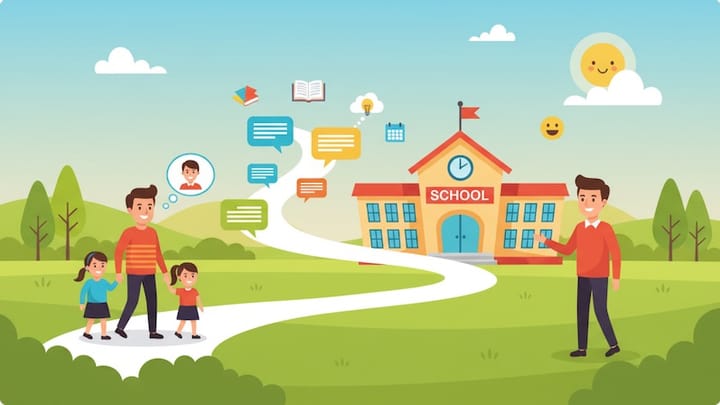
Strong connections between teachers and students, among classmates, and with families form the foundation of a productive learning environment. These relationships help students develop social skills and feel secure enough to take risks in their learning.
Teacher-Student Connections
Teachers who learn student names and greet them personally at the door set a welcoming tone each day. This simple act shows students they matter and are valued as individuals.
Getting to know students beyond academics builds trust. Teachers can ask about hobbies, family traditions, or weekend activities.
These conversations create bonds that make students more likely to participate and ask for help when needed. Consistency in how teachers interact with students reinforces these connections.
When teachers treat all students with respect and respond predictably to situations, students feel safe and understood. Active listening makes a real difference.
Teachers who give students their full attention during conversations demonstrate that student voices matter. This attention builds mutual respect and encourages open communication.
Small gestures like remembering a student's favorite subject or checking in after an absence strengthen relationships over time. These actions show genuine care and create an environment where students feel seen and supported.
Peer-to-Peer Interactions
Group projects and partner activities give students chances to work together and build friendships. These collaborative tasks teach students how to communicate effectively and respect different viewpoints.
Teachers can structure activities that require students to rely on each other's strengths. This approach helps students appreciate diversity and learn from classmates with different backgrounds and abilities.
Modeling respectful communication guides students in how to treat each other. When teachers demonstrate kind language and empathy, students learn to interact positively with their peers.
Classroom discussions that value all contributions create space for quieter students to participate. Teachers can use strategies like think-pair-share to help students practice social skills in low-pressure settings before sharing with the whole class.
Conflict will happen, but teachers can use these moments as teaching opportunities. Helping students resolve disagreements respectfully builds their ability to handle challenges and maintain positive relationships.
Involving Families in the Classroom Community
Regular communication with families keeps them informed about classroom activities and student progress. Teachers can use emails, newsletters, or apps to share updates and celebrate student achievements.
Inviting families to classroom events creates opportunities for them to see their child's learning environment. These visits help families feel connected to the school community and understand what happens during the school day.
Positive notes home about student behavior or academic progress strengthen the partnership between home and school. These messages show families that teachers notice and appreciate their child's efforts.
Teachers who learn about family cultures and traditions can incorporate this knowledge into lessons. This inclusion shows respect for diversity and helps students see their backgrounds reflected in the classroom.
Asking for family input on classroom decisions or volunteer opportunities gives parents meaningful ways to participate. When families feel welcomed and valued, they become active partners in creating a positive learning environment.
Establishing Classroom Expectations and Routines
Clear expectations and consistent routines form the backbone of a positive classroom culture. When students understand what behaviors are expected and can predict the flow of their day, they feel safer and more ready to learn.
Co-Creating Classroom Expectations
Teachers who involve students in creating classroom expectations see better buy-in and compliance. This approach transforms rules from imposed restrictions into shared agreements that students feel ownership over.
Start by facilitating a class discussion about what everyone needs to feel safe and successful. Ask students to identify specific behaviors that support learning, like listening when others speak or helping classmates who struggle.
Write down their ideas and work together to group similar concepts into 3-5 broad expectations. Frame expectations positively.
Instead of "Don't interrupt," use "Listen respectfully when others are speaking." This focuses students on what to do rather than what to avoid.
Post the final expectations prominently in the classroom. Some teachers create a class contract that everyone signs.
Others design colorful posters with student artwork. The key is making expectations visible and referring to them regularly during lessons and transitions.
Teaching and Reinforcing Routines
Routines reduce uncertainty and free up mental energy for learning. Teachers must explicitly teach each routine rather than assuming students already know them.
Break down each routine into clear steps. For morning entry, this might include: enter quietly, put away belongings, check the board for instructions, and start the warm-up activity.
Model these steps for students and have them practice multiple times during the first weeks of school. Common routines to establish include:
- Entering and exiting the classroom
- Turning in completed work
- Getting materials and supplies
- Transitioning between activities
- Asking for help
- Using the bathroom
Practice routines until they become automatic. When students forget a step, calmly redirect them to try again.
Consistency matters more than perfection. The same routine should happen the same way every time.
Celebrating Positive Behaviors
Recognition reinforces the connection between actions and positive classroom culture. When teachers notice and celebrate students meeting expectations, they strengthen desired behaviors.
Specific praise works better than generic compliments. Instead of "Good job," try "I noticed you cleaned up your station without being asked. That shows real responsibility."
This tells students exactly what they did well. Create systems for acknowledging positive behavior.
Some teachers use verbal shout-outs during class meetings. Others implement point systems where students earn privileges or small rewards.
Choose methods that align with student ages and interests. Celebrate group achievements too.
When the whole class follows routines smoothly or shows improvement in meeting expectations, acknowledge it. This builds collective responsibility and strengthens classroom community.
Designing an Engaging Learning Environment
The physical setup of a classroom and the instructional strategies teachers use directly impact student engagement and learning outcomes. Creating spaces that encourage collaboration and giving students choices in their learning helps build a classroom culture where active participation becomes natural.
Physical Environment and Its Influence
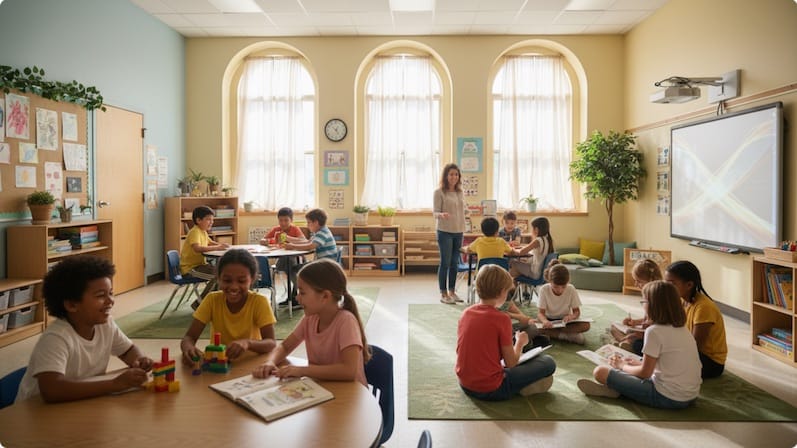
The classroom layout shapes how students interact with each other and engage with learning materials. An open floor plan with flexible seating arrangements supports different types of activities throughout the day.
Students can work independently at desks. They can also gather in small groups on the floor or participate in whole-class discussions in a circle.
Key elements of an effective physical environment include:
- Movable furniture that adapts to various instructional needs
- Clear pathways for safe movement around the room
- Designated areas for different activities (quiet work, group projects, reading)
- Accessible storage for learning materials
The arrangement of desks and chairs affects student behavior and participation. Rows work well for individual testing, while clusters of four to six desks facilitate group work.
U-shaped arrangements help teachers maintain eye contact with all students during discussions. Lighting, temperature, and noise levels matter for student comfort and focus.
Natural light improves mood and attention spans. Wall displays should feature student work and relevant learning resources without creating visual clutter that distracts from lessons.
Fostering Collaboration Through Group Work
Group work builds communication skills and helps students learn from their peers. Teachers can assign roles within each group to ensure all members contribute.
One student might serve as the recorder, another as the timekeeper, and others as researchers or presenters. Structured collaborative activities work better than unstructured ones.
Think-pair-share exercises let students develop ideas with a partner before sharing with the class. This approach reduces anxiety for students who feel uncomfortable speaking in large groups.
Small groups of three to five students allow everyone to participate actively. Larger groups often lead to some students doing most of the work while others remain passive.
Teachers should change group compositions regularly so students work with different classmates. This helps students develop flexibility in their social interactions.
Clear expectations for group work prevent confusion and off-task behavior. Students need to understand their individual responsibilities and the group's shared goals.
Providing rubrics that outline both individual and group accountability helps students stay focused on learning objectives.
Promoting Student Voice and Choice
Students engage more deeply when they have input into their learning experiences. Teachers can offer choices in how students demonstrate their understanding of a topic.
Some might prefer writing an essay, while others could create a presentation, design a poster, or record a video. Involving students in classroom decisions builds ownership and responsibility.
They can help establish classroom norms, suggest topics for projects, or vote on activities. This participation teaches democratic processes and shows students their opinions matter.
Ways to incorporate student voice:
- Morning meetings where students share ideas and concerns
- Suggestion boxes for anonymous feedback
- Student-led conferences about their progress
- Choice boards with multiple options for assignments
Giving students autonomy over their learning pace and methods supports different learning styles and preferences. Some students need more time to process information, while others grasp concepts quickly and want to move ahead.
Allowing flexibility within structured parameters helps meet diverse needs without losing focus on learning goals.
Sustaining and Evolving Classroom Culture
Classroom culture requires ongoing attention and adjustment to remain effective throughout the school year. Teachers must regularly assess what works, make necessary changes, and demonstrate the same growth they expect from their students.
Reflecting and Adapting Over Time
Teachers need to regularly evaluate their classroom culture to identify areas that need improvement. This means checking in with students through surveys, informal conversations, or reflection activities to understand what is working and what needs to change.
Some students may respond differently to classroom strategies as the year progresses. What works in September might not work in March.
Teachers should pay attention to shifts in student behavior, engagement levels, and overall classroom dynamics. Key reflection practices include:
- Weekly check-ins about classroom procedures and expectations
- Monthly reviews of behavior patterns and participation rates
- Quarterly adjustments to physical space or seating arrangements
- Student feedback sessions about what helps them learn best
When teachers notice declining engagement or increasing conflicts, they should adjust their approach rather than rigidly maintaining ineffective practices. Small changes can make a big difference in sustaining positive classroom culture.
Modeling Growth Mindset and Accountability
Teachers who demonstrate growth mindset show students how to handle challenges and mistakes. This means admitting when something doesn't go as planned and explaining how to fix it.
When teachers model this behavior, students learn that improvement is always possible. Accountability works both ways in a strong classroom culture.
Teachers hold students responsible for their actions and learning, but they also hold themselves accountable for creating an effective learning environment. Teachers can model accountability by:
- Acknowledging their own mistakes openly
- Following through on commitments to students
- Asking for student input on classroom decisions
- Adjusting teaching methods based on student needs
This two-way accountability builds trust and reinforces that everyone in the classroom is working together toward shared goals.
Frequently Asked Questions
How can educators develop a positive classroom culture to enhance learning outcomes?
Educators develop positive classroom culture by establishing clear expectations and modeling desired behaviors from the first day of school. Teachers who demonstrate respect, responsibility, and emotional intelligence create a framework for students to follow.
Consistent routines and procedures help students understand what is expected and allow them to focus on learning rather than navigating uncertainty. Building strong relationships with students is fundamental to enhancing learning outcomes.
When teachers show genuine interest in their students' lives and backgrounds, students feel valued and become more motivated to participate. This connection between teacher and student leads to better academic performance and improved social-emotional development.
High expectations paired with appropriate support create an environment where students can thrive. Teachers should believe in their students' abilities and communicate this belief through their words and actions.
Research shows that teacher expectations directly influence student performance, with high expectations leading to enhanced achievement.
What strategies are effective for building a classroom culture that values every student?
Recognizing and incorporating students' diverse cultural backgrounds into daily instruction makes all students feel valued. Teachers should connect academic content to students' prior knowledge and experiences, making learning more relevant and engaging.
This approach acknowledges that students bring valuable perspectives and strengths to the classroom. Creating opportunities for every student to participate ensures that all voices are heard.
Think-pair-share activities allow quieter students to share ideas in smaller settings before speaking to the whole class. Offering various modes of engagement, such as written responses, verbal discussions, or creative projects, accommodates different learning preferences and comfort levels.
Establishing classroom norms that emphasize respect and kindness sets the foundation for inclusivity. Teachers should involve students in creating these expectations, which increases accountability and ownership.
When students help shape classroom culture, they are more likely to uphold the values and behaviors that support everyone's learning. Positive reinforcement acknowledges student contributions and builds confidence.
Teachers who provide specific, meaningful feedback help students understand their strengths and areas for growth. This practice encourages continued participation and reinforces the message that every student's efforts matter.
In what ways does classroom culture impact student engagement and participation?
Classroom culture directly affects whether students feel safe taking intellectual risks and sharing their ideas. In classrooms with strong positive cultures, students participate more actively because they trust that their contributions will be respected.
This psychological safety encourages students to ask questions, make mistakes, and engage deeply with content. The physical environment influences how students interact with each other and with learning materials.
Flexible seating arrangements and accessible resources support different types of activities and collaboration. An organized, welcoming space communicates that learning is important and that students belong in the classroom.
When students have voice and choice in their learning, they take greater ownership of their education. Classrooms that value student input and autonomy create more engaged learners who feel responsible for their progress.
This sense of agency motivates students to participate actively rather than passively receive information. Social-emotional learning embedded in classroom culture helps students develop skills for effective participation.
Students who learn to manage their emotions and empathize with others contribute more positively to classroom discussions and group work. These skills support both academic engagement and the development of a supportive classroom community.
What are the key components necessary for establishing a culture of learning in the classroom?
Respect forms the foundation of any successful classroom culture. Students need to feel respected by their teacher and peers to feel comfortable taking academic risks.
Teachers establish respect by listening to students, valuing their ideas, and treating mistakes as natural parts of the learning process. Clear procedures and routines create predictability that allows students to focus on learning.
When students know how to access materials, transition between activities, and seek help, they spend less time navigating logistics and more time engaged with content. These procedures should be taught explicitly and reinforced consistently.
Shared responsibility means that both teachers and students contribute to maintaining a positive learning environment. Teachers model desired behaviors and hold students accountable for upholding classroom values.
Students learn that their actions affect the entire community and develop a sense of responsibility for their own learning and behavior. Student voice and autonomy enhance the culture of learning by giving students meaningful choices.
When students have input on topics, projects, or how they demonstrate learning, they become more invested in the process. This ownership leads to deeper engagement and more authentic learning experiences.
How does classroom culture influence the effectiveness of teaching and learning methods?
A positive classroom culture allows teachers to implement varied instructional strategies more effectively. When students feel safe and supported, they are more willing to engage with challenging content and unfamiliar teaching methods.
This openness to new approaches expands learning opportunities beyond traditional instruction. The relationship between teacher and students affects how well instructional methods work.
Strong relationships built on trust and respect mean students are more likely to respond positively to feedback and persist through difficulties. Collaborative learning strategies succeed when classroom culture values cooperation over competition.
Students who trust their peers and understand shared goals work together more effectively in groups. The culture determines whether students see collaboration as an opportunity or a burden.
Classroom culture affects how students respond to different types of assessment and feedback. In cultures that view mistakes as learning opportunities, students engage more deeply with formative assessments and use feedback to improve.
What practices can teachers implement to foster a safe and inclusive classroom environment?
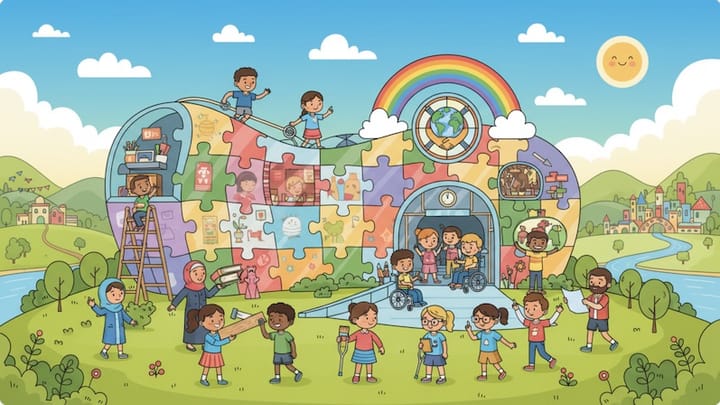
Teachers should learn about and acknowledge the diverse backgrounds of their students, including ethnicity, language, religion, and socioeconomic status. Understanding these factors helps teachers recognize how different students might experience the classroom.
Creating physical and psychological safety requires attention to both the environment and the emotional climate. The classroom should be physically accessible and organized to support learning.
Equally important is establishing an atmosphere where students feel emotionally secure and free from judgment. Engaging with families and communities strengthens the classroom environment by building connections beyond school.
Teachers who invite families to participate in classroom activities and maintain open communication create a support network for students. Incorporating culturally responsive teaching practices makes content more accessible and relevant to all students.
Teachers can use diverse examples, texts, and materials that reflect students' backgrounds and experiences. Guest speakers and varied perspectives help students see themselves in the curriculum and understand different viewpoints.
Addressing bias and promoting equity requires ongoing reflection and action. Teachers must examine their own assumptions and ensure that classroom practices do not disadvantage certain groups of students.
Establishing norms that explicitly value diversity and respect for differences creates a foundation for true inclusivity.