Sunday evenings can feel heavy for teachers. The weekend is ending, and thoughts about lesson plans, grading, and classroom management start creeping in.
This feeling is common, but it doesn't have to control the start of every week. Taking time on Sunday to prepare isn't about working more.
It's about creating space to recharge and set up the week in a way that reduces stress instead of adding to it.
Teachers face unique pressures that make self-care essential, not optional. Long hours, emotional demands from students, and endless to-do lists can lead to burnout if left unchecked.
Setting aside Sunday as a day to focus on personal wellness gives teachers a chance to step back, reflect, and prepare without the usual rush. Simple practices like planning meals, setting work boundaries, and spending time on activities that bring joy can make a real difference.
When teachers prioritize their own well-being on Sundays, they show up for their students with more energy and focus throughout the week.
Key Takeaways
- Self-care Sundays help teachers reduce stress and prepare mentally for the week ahead
- A Sunday routine should include physical wellness, emotional reflection, and clear work-life boundaries
- Simple practices like meal planning, mindfulness, and connecting with others create a stronger foundation for the week
The Value of Self-Care Sundays for Teachers
Teachers face unique pressures that drain their energy throughout the week, making intentional recovery time essential. A dedicated Sunday reset routine helps educators protect their mental health while preparing mentally and physically for the demands ahead.
Understanding Teacher Burnout and Stress
Teacher burnout affects 60% of K-12 educators according to recent surveys. This condition shows up as anxiety, depression, lack of energy, and increased impatience with students.
The combination of long hours, heavy workloads, and emotional demands creates serious health risks. Teachers often work beyond standard schedules while managing student behaviors and academic needs.
When stress goes unaddressed, it impacts both the educator and their students. Burned out teachers struggle to meet student needs effectively.
They lose the patience and creativity that makes them successful in the classroom. The cycle continues when teachers push through exhaustion instead of addressing the root causes.
Benefits of a Weekly Reset
A Sunday reset routine builds a buffer between weekend activities and Monday morning demands. This dedicated time allows teachers to regulate their nervous systems before returning to the classroom.
Setting aside specific hours on Sunday helps educators sort through the coming week's tasks without feeling overwhelmed. They can review lesson plans, organize materials, and mentally prepare for challenges.
This preparation reduces the chaos of Monday mornings. Key benefits include:
- Reduced anxiety about the week ahead
- Better time management and organization
- Improved emotional well-being
- Stronger boundaries between work and personal life
- Increased energy for classroom demands
The practice works because it creates consistency. Teachers know they have protected time to address both practical needs and mental wellness.
Combating the Sunday Scaries
The Sunday scaries hit teachers hard as they anticipate returning to demanding classrooms. This anxiety often builds throughout the afternoon and evening, disrupting sleep and peace of mind.
Self-care practices directly address this specific stress. Simple activities like gentle movement, journaling, or meditation shift the nervous system from stress to calm.
Teachers who engage in these practices enter Monday feeling centered rather than frazzled. The key is choosing activities that actually reduce stress rather than adding more obligations.
A 20-minute walk provides more value than an elaborate routine that feels like another task to complete. Brief practices done consistently create better results than complicated plans that get abandoned.
Designing an Effective Sunday Reset Routine
A Sunday reset routine helps teachers transition from weekend relaxation to weekday readiness without the stress. The key is finding a balance between preparation and rest through intentional planning, a gentle start to the day, and personalized self-care practices.
Setting Intentions and Planning Ahead
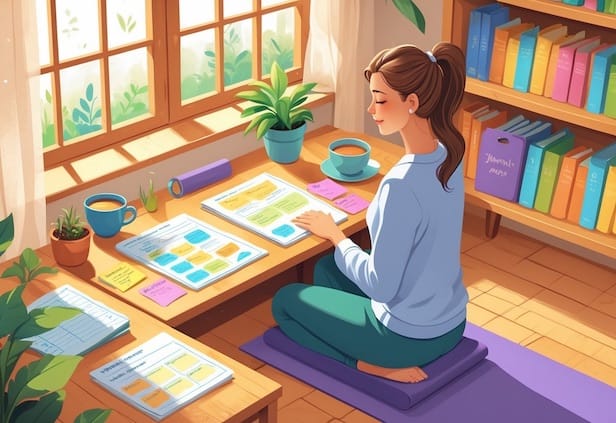
Teachers benefit from spending 15-20 minutes on Sunday reviewing the upcoming week. This involves checking lesson plans, confirming meetings, and noting important deadlines.
Writing down three main priorities for the week helps focus energy on what matters most. A simple weekly planning session reduces Monday morning anxiety.
Teachers can open their planner or digital calendar and map out each day's key tasks. This includes noting parent conferences, grading deadlines, and staff meetings.
Many teachers find it helpful to prep materials for Monday's first lesson during this time. Planning ahead also means identifying potential stress points.
If Thursday has back-to-back classes with no break, a teacher can plan lighter activities or have backup plans ready. This proactive approach to teacher self-care prevents mid-week overwhelm.
Quick Planning Checklist:
- Review calendar and lesson plans
- List top 3 weekly priorities
- Prep Monday materials
- Check email for urgent items
- Set out work clothes
Incorporating a Slow Morning and Mindful Start
A slow morning sets a calm tone for the entire day. Teachers should avoid checking work email or jumping into tasks right away.
Instead, they can enjoy coffee or tea without rushing, read for pleasure, or simply sit quietly for 10 minutes. This mindful start to Sunday reduces the pressure to be productive immediately.
Some teachers practice light stretching or take a short walk. Others journal about the previous week or write down what they're grateful for.
The goal is to create space between weekend rest and week preparation. Teachers who skip the slow morning often feel like Sunday disappears too quickly.
By protecting the first hour or two, they preserve the restorative quality of the weekend while still accomplishing necessary tasks later in the day.
Creating a Self-Care Plan That Fits You
A self-care plan for teachers should match individual needs and schedules. Not every teacher has time for elaborate routines, and that's okay.
Some might focus on meal prepping healthy lunches, while others prioritize tidying their workspace or doing a quick reset of their classroom materials at home. The most effective self care for teachers includes small, manageable activities.
This might be a 30-minute activity like taking a bath, doing a face mask, or calling a friend. Teachers with families can involve others in meal prep or cleaning tasks to save time.
Self-care doesn't require hours of commitment. Even 15 minutes of intentional rest makes a difference.
Teachers should choose 2-3 activities that genuinely help them recharge rather than trying to do everything. Some prefer physical activities like yoga, while others need quiet time with a book.
The right plan depends on what restores energy and reduces stress for each individual teacher.
Physical and Emotional Wellness Practices
Taking care of both body and mind helps teachers recharge and prepare for the week without feeling overwhelmed. Simple practices like mindfulness, proper rest, gentle movement, and preparing nutritious meals create a strong foundation for managing stress.
Mindfulness Practices for Stress Reduction
Mindfulness helps teachers calm their minds and reduce anxiety before the week begins. Meditation sessions of just 5-10 minutes can lower stress levels and improve focus.
Teachers can sit in a quiet space, close their eyes, and concentrate on their breath moving in and out. Breathing exercises offer quick relief when stress builds up.
A simple technique involves breathing in for four counts, holding for four counts, and breathing out for four counts. This practice can be done anywhere and takes less than two minutes.
Many teachers find guided meditation apps helpful for staying consistent with their practice. These tools provide structure and variety, making it easier to stick with mindfulness practices over time.
Some teachers prefer silent meditation, while others benefit from gentle background sounds or guided instructions.
Rest, Sleep, and Relaxation Techniques
Adequate sleep is essential for teachers to function at their best. Teachers should aim for at least eight hours of sleep each night to restore their energy and mental clarity.
Going to bed and waking up at the same time each day helps regulate the body's natural sleep cycle. Creating a relaxing bedtime routine signals to the body that it's time to wind down.
This might include reading, taking a warm bath, or listening to calming music. Teachers should avoid screens for at least 30 minutes before bed, as blue light can interfere with sleep quality.
Sunday afternoons are ideal for rest and relaxation activities. Taking a 20-30 minute nap can help teachers feel refreshed without disrupting nighttime sleep.
Some teachers find that simply lying down and doing nothing for a short period helps them reset mentally and physically.
Movement and Gentle Physical Activity
Physical activity releases tension and boosts mood naturally. Teachers don't need intense workouts to gain benefits.
A 20-30 minute walk outside provides fresh air, movement, and a change of scenery. Yoga combines stretching, breathing, and mindfulness in one practice.
Teachers can use a yoga mat at home to follow online videos or create their own simple routine. Basic poses like child's pose, cat-cow stretches, and gentle twists help release physical tension from the week.
Stretching tight muscles improves circulation and reduces stiffness. Teachers who spend long hours standing or sitting benefit from stretching their neck, shoulders, back, and legs.
Even five minutes of gentle stretching can make a noticeable difference in how the body feels.
Healthy Eating, Hydration, and Meal Prep
Meal prep on Sundays saves time and reduces stress during busy weekdays. Teachers can prepare 3-4 meals in advance, storing them in containers for easy access.
Simple options include salads with protein, grain bowls, or soups that reheat well. Hydration affects energy levels and concentration throughout the day.
Teachers should drink at least 6-8 glasses of water daily. Keeping a reusable water bottle at their desk makes it easier to stay hydrated during school hours.
Healthy snacks prevent energy crashes between meals. Teachers can prepare portions of nuts, fruit, vegetables with hummus, or yogurt to grab quickly.
Having nutritious options ready reduces the temptation to rely on vending machine choices or skip meals entirely.
Emotional Reflection for a Balanced Mindset
Taking time to reflect on emotions and experiences helps teachers process stress and build resilience. Through journaling and intentional reflection, educators can develop stronger emotional wellness and prepare mentally for the week ahead.
Self-Reflection and Weekly Journaling
Weekly journaling provides teachers with a structured way to examine their thoughts and feelings about classroom experiences. This practice helps identify patterns in stress responses and emotional triggers that might otherwise go unnoticed.
Teachers can set aside 10-15 minutes each Sunday to write about the previous week. They should focus on specific moments that felt challenging or rewarding.
This process creates awareness of what situations drain energy and which ones provide fulfillment. Self-reflection through writing helps educators understand their reactions to difficult student behaviors or administrative demands.
By examining these responses on paper, teachers gain clarity about what they can control and what they need to accept. This awareness supports better emotional regulation during the upcoming week.
A simple approach involves answering three questions: What went well this week? What felt difficult? What can I learn from these experiences?
These prompts guide meaningful reflection without overwhelming the process.
Gratitude Journaling and Daily Reflection
Gratitude journaling shifts focus from stressors to positive aspects of teaching. This practice strengthens mental health by training the brain to notice good moments throughout each day.
Teachers can keep a gratitude journal specifically for school-related experiences. Each evening, they write down three specific things they appreciated that day.
These might include a student's breakthrough, a supportive conversation with a colleague, or a lesson that went smoothly. The practice works best when entries include details rather than general statements.
Instead of writing "good day," a teacher might note "Sarah finally understood fractions after weeks of struggling, and her smile made my afternoon." Daily reflection combined with gratitude journaling creates a habit of noticing successes.
This regular practice builds emotional wellness over time and helps teachers maintain perspective during difficult periods.
Letting Go of Regrets and Reframing Challenges
Teachers often replay moments they wish had gone differently. This pattern drains energy and increases stress about the week ahead.
Self-reflection should include a deliberate step for releasing regrets. Teachers can write about a situation they wish they had handled better, then write one thing they learned from it.
This transforms the memory from a source of guilt into a teaching moment for themselves. Reframing involves looking at challenges through a different lens.
A difficult parent meeting becomes practice in communication skills. A lesson that failed becomes valuable information about what students need.
Key reframing questions include:
- What did this situation teach me about my students?
- How can I approach this differently next time?
- What support or resources would help me handle similar situations?
Setting Boundaries and Building Connection
Teachers need clear work-life boundaries to protect their time and energy. Meaningful connections with colleagues and engaging in social activities help combat isolation and restore balance.
Defining Work-Life Boundaries
Teachers often struggle to separate work from personal life. Setting boundaries means deciding when the work day ends and sticking to that decision.
This might mean not checking emails after 6 PM or leaving school materials at school on Sundays. Time boundaries protect a teacher's energy for the week ahead.
A teacher can designate Sunday as a no-work zone where grading and lesson planning are off limits. Physical boundaries matter too, like keeping a separate workspace that can be closed off when work hours end.
Key boundaries teachers should consider:
- No work emails or messages after a set time
- A dedicated end time for school-related tasks
- Saying no to extra commitments that drain energy
- Protecting weekend time for rest and personal activities
Setting boundaries isn't selfish. It's necessary for long-term effectiveness in the classroom.
Teachers who protect their personal time show up more energized and focused for their students.
Connecting With Colleagues and Support Networks
Social connection helps teachers feel less alone in their challenges. Connecting with other educators provides emotional support and practical advice for classroom situations.
These relationships reduce stress and create a sense of community. Teachers can build support networks through informal meetups or structured groups.
A simple coffee chat with a colleague on Sunday afternoon can provide perspective before the week starts. Online teacher communities offer connection for those who prefer digital interaction.
Support networks allow teachers to share resources, vent frustrations, and celebrate successes. Having people who understand the unique pressures of teaching makes difficult weeks more manageable.
Regular connection doesn't require large time commitments. A 30-minute phone call or a brief lunch meeting creates meaningful support.
The key is consistency and choosing connections that feel energizing rather than draining.
Social Activities and Play
Play and leisure activities recharge a teacher's mental and emotional batteries. These activities have nothing to do with school and everything to do with personal joy.
They remind teachers of their identity beyond the classroom. Social activities might include game nights, sports leagues, book clubs, or hobby groups.
Play can be as simple as board games with family or as active as joining a recreational sports team. The activity matters less than the engagement and enjoyment it brings.
Leisure time reduces burnout by giving the brain a break from work-related thinking. When teachers engage in activities they enjoy, stress hormones decrease and mood improves.
Benefits of regular play and social activities:
- Reduces stress and anxiety levels
- Strengthens relationships outside of work
- Provides mental breaks from teaching pressures
- Increases overall life satisfaction
- Builds resilience for challenging school weeks
Teachers should schedule at least one leisure activity each Sunday. This creates something to look forward to and ensures rest happens before the work week begins.
Practical Self-Care Strategies to Start the Week Strong
Setting up Sunday routines that include decluttering your workspace, engaging in personal rituals like music and skincare, and building consistent habits can reduce stress before the week begins.
Decluttering and Preparing Your Space
A clean workspace helps teachers start Monday with focus and calm. Spending 15-20 minutes on Sunday decluttering a desk, organizing lesson materials, and clearing out old papers creates a sense of control.
Teachers should sort items into three categories: keep, throw away, and relocate. Filing papers immediately prevents pile-up throughout the week.
Wiping down surfaces and arranging frequently used supplies within easy reach saves time during busy mornings.
Essential items to organize:
- Lesson plans for the week
- Grading materials
- Student resources
- Teaching supplies
Cleaning the physical space also clears mental clutter. Even small actions like emptying a trash can or straightening books make a difference.
Personal Rituals: Music, Humor, and Skincare
Listening to music while preparing for the week helps teachers relax and shift their mindset. Creating a Sunday playlist with calming or uplifting songs makes routine tasks more enjoyable.
Music reduces stress and can transform cleaning or planning from a chore into a pleasant activity. Humor serves as a powerful stress reliever.
Teachers can watch a comedy show, share funny stories with family, or browse lighthearted content online. Laughter releases tension and provides emotional relief before a demanding week starts.
Skincare rituals offer a few minutes of focused self-care. A simple routine might include washing the face, applying moisturizer, or using a face mask.
These activities signal to the body that it's time to rest and recharge. The physical act of caring for oneself reinforces the importance of personal well-being.
Consistency and Creating Lasting Habits
Building self-care strategies into a regular Sunday routine makes them sustainable. Teachers should start with one or two activities and gradually add more as habits form.
Consistency matters more than perfection. Setting a specific time block for Sunday self-care increases the likelihood of follow-through.
Some teachers prefer morning routines, while others find evening preparation more effective. Tracking activities in a planner or app provides accountability and shows progress over time.
Small, repeatable actions create lasting change. A teacher might commit to 10 minutes of decluttering, 20 minutes of listening to music, and 5 minutes of skincare every Sunday.
These brief activities compound into significant stress reduction and better preparation for the week ahead.
Frequently Asked Questions
Teachers face unique challenges when trying to balance their personal well-being with professional responsibilities. These practical answers address common questions about making Sundays work as a preparation day without adding stress.
What strategies can teachers use to decompress before the school week begins?
Teachers need decompression strategies that actually fit into a Sunday schedule. A quiet morning routine without checking work emails sets a calm tone for the day.
Physical movement like a 20-minute walk or gentle yoga helps release tension from the previous week. Creating boundaries around work time matters.
Teachers can designate Sunday afternoon as their work prep window while keeping the evening completely free. This separation prevents work from consuming the entire day.
Simple breathing exercises take just five minutes. Teachers breathe in for four counts, hold for four counts, then exhale for four counts.
This pattern slows the heart rate and reduces anxiety about the upcoming week.
How can teachers effectively plan for their upcoming week without feeling overwhelmed?
Effective planning starts with identifying the top three priorities for the week. Teachers write these down first before adding smaller tasks.
This approach prevents task lists from becoming impossibly long. Time blocking works better than generic to-do lists.
Teachers assign specific time slots to lesson planning, grading, and administrative tasks. A 30-minute planning session on Sunday afternoon covers the essential preparations.
Breaking larger projects into small steps reduces overwhelm. Instead of "finish unit plan," teachers write "outline Monday's lesson" and "gather Tuesday's materials."
These smaller tasks feel achievable and provide clear starting points.
Are there any recommended mindfulness exercises for teachers to practice on Sundays?
Body scan meditation helps teachers identify where they hold stress. They lie down and mentally check each body part from toes to head, noticing tension without judgment.
This exercise takes 10-15 minutes. Gratitude journaling shifts focus from stress to positive experiences.
Teachers write three specific things they appreciated from the past week. The entries can be as simple as "a student finally understood fractions" or "I had my coffee while it was still hot."
Mindful tea or coffee drinking creates a peaceful pause. Teachers focus completely on the warmth of the cup, the aroma, and the taste.
This practice trains the brain to stay present rather than jumping to future worries.
What time-management techniques can help teachers prepare their classroom activities stress-free?
The two-minute rule prevents small tasks from piling up. If something takes less than two minutes, teachers do it immediately rather than adding it to a list.
This includes responding to quick emails or printing a single worksheet. Batching similar tasks saves mental energy.
Teachers group all their copying together, then handle all digital uploads, then organize physical materials. Switching between different types of tasks wastes time and increases stress.
Setting a timer for prep work prevents perfectionism from taking over. Teachers give themselves 45 minutes for lesson planning with a clear stopping point.
This boundary keeps Sunday prep from expanding into the entire day. Teachers can prepare a weekly template that includes repeated activities.
They fill in the consistent elements once, then only add the unique content for each day. This system cuts planning time significantly.
How can educators balance personal and professional time on weekends to avoid burnout?
Clear time boundaries protect personal time on weekends. Teachers decide on a specific window for work tasks and communicate this schedule to themselves and family members.
Sunday from 2:00 PM to 4:00 PM provides enough prep time while preserving most of the weekend. Scheduling personal activities first ensures they actually happen.
Teachers put self-care activities on the calendar like any other appointment. A Sunday morning walk or lunch with a friend gets the same priority as lesson planning.
The "one work-free day" rule gives teachers complete mental rest. Many educators choose Saturday as completely off-limits for school work.
This full day of separation allows the brain to genuinely recharge. Teachers benefit from creating Sunday rituals that signal the transition from weekend to work mode.
Lighting a candle during planning time or playing specific music creates a mental boundary. When the ritual ends, work time ends too.
What self-care tips can help teachers maintain a positive mindset throughout the school year?
Regular physical activity reduces stress hormones and improves mood. Teachers don't need intense workouts.
A 20-minute walk, stretching routine, or dancing to favorite songs provides mental health benefits.
Adequate sleep forms the foundation of a positive mindset. Teachers aim for seven to eight hours by setting a consistent bedtime.
Sunday night bedtime matters especially because it sets the tone for the entire week.
Connecting with other teachers provides emotional support and perspective. A quick text exchange or phone call with a teaching friend reminds educators they're not alone in their challenges.
These connections take minimal time but offer significant emotional benefits.
Teachers protect their mental energy by limiting exposure to negative influences on Sundays. This might mean avoiding stressful news, limiting social media, or declining invitations that drain rather than energize.
Saying no to some things creates space for genuine rest.
Teachers who drink enough water, eat regular meals, and take short breaks throughout their week maintain steadier energy and mood. These basics sound simple but make a measurable difference in handling classroom stress.