Teaching takes a lot of energy. Many teachers find it hard to stop thinking about work when they get home.
The constant planning, grading, and classroom management can fill every waking hour. Without something else to focus on, school thoughts can take over completely.
Hobbies give teachers a way to shift their attention away from work and focus on activities that bring joy and relaxation. Research shows that having interests outside of teaching helps reduce stress and prevents burnout.
When teachers make time for hobbies, they often return to the classroom with more patience, creativity, and energy. Teacher wellbeing depends on having balance between work and personal life.
Self-care for teachers isn't selfish—it's necessary for staying healthy and effective in the classroom. From creative projects like painting and embroidery to physical activities like gardening and hiking, the right hobby can help any teacher decompress and feel like a whole person again.
Key Takeaways
- Hobbies help teachers reduce stress by giving them a mental break from constant school-related thoughts
- Engaging in creative, physical, or social activities outside of teaching improves overall teacher wellbeing and classroom effectiveness
- Making time for self-care through hobbies creates better balance and helps prevent teacher burnout
Why Hobbies Are Vital for Teacher Wellbeing
Teaching demands constant emotional energy and mental focus. Hobbies provide teachers with essential opportunities to step away from classroom pressures and rebuild their energy.
Understanding Teacher Stress
Teachers face unique workplace pressures that accumulate throughout the school year. Daily responsibilities include managing large class sizes, meeting administrative demands, and addressing individual student needs while maintaining curriculum standards.
The emotional labor of teaching extends beyond classroom hours. Grading, lesson planning, and parent communication consume evenings and weekends.
This ongoing workload creates chronic stress that affects both physical health and mental clarity. Research shows that teacher stress stems from factors within and outside their control.
Budget constraints, policy changes, and limited resources add to the burden. Without proper stress management strategies, these pressures lead to exhaustion and decreased job satisfaction.
Benefits of Relaxation and Reconnection
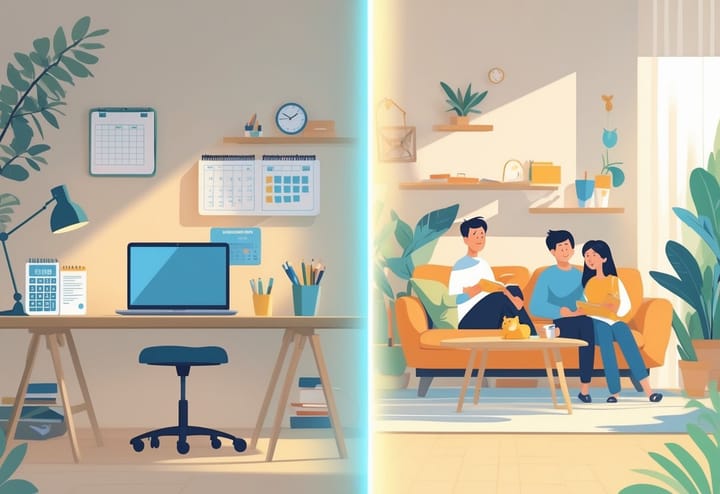
Self-care for teachers through hobbies creates a necessary boundary between work and personal life. Engaging in activities unrelated to teaching allows the mind to shift focus and process stress differently.
Hobbies offer teachers a chance to experience joy without performance pressure. Unlike classroom responsibilities, personal interests exist purely for enjoyment.
This freedom helps teachers reconnect with parts of their identity beyond their professional role. Key benefits include:
- Reduced anxiety and improved mood
- Better sleep quality and physical health
- Stronger sense of personal identity
- Increased creativity that transfers to lesson planning
How Hobbies Rebuild Energy and Passion
Hobbies serve as active recovery tools that restore mental and emotional resources. Activities requiring focus, such as gardening or painting, engage different neural pathways than teaching uses.
This shift allows overworked mental circuits to rest. Learning new skills through hobbies reconnects teachers with the student experience.
Struggling with a new language or mastering a musical instrument reminds them how vulnerability and persistence feel. This renewed empathy directly benefits their teaching approach.
Regular engagement in personal interests builds resilience over time. The confidence gained from hobby mastery translates into professional challenges.
Creative Hobbies to Soothe the Mind
Creative hobbies give teachers a way to shift focus from lesson plans and grading to hands-on activities that calm busy minds. Working with art supplies, fabric, or craft materials helps reduce stress while making something tangible and rewarding.
Art and Adult Coloring
Adult coloring has become a popular choice for teachers who need a simple way to relax after school. This hobby requires only colored pencils or markers and a coloring book filled with detailed patterns or scenes.
The repetitive motion of filling in designs helps quiet racing thoughts. Many teachers appreciate that adult coloring needs no prior artistic skill.
Books range from mandala patterns to landscapes and themed designs based on favorite stories or places. Digital options exist too, with apps for tablets and smartphones that let teachers color anywhere.
The activity works well for short breaks between grading papers or longer evening sessions. Teachers can pick up where they left off without needing to set up complicated materials or workspace.
Painting and Drawing
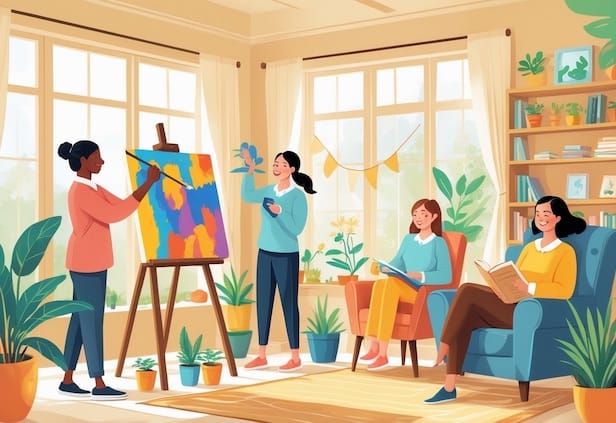
Painting offers teachers a step beyond coloring by letting them create original artwork. Beginners often start with paint-by-numbers kits that build confidence with brushes and color mixing.
Acrylic paint works best for new painters because it dries quickly and cleans up easily with water. More experienced teachers might explore watercolor techniques or detailed drawing with pencils and charcoal.
Each medium provides different benefits—watercolor creates soft, flowing images while drawing focuses on line work and shading. Teachers don't need expensive supplies to start.
Basic paints, a few brushes, and paper or canvas boards from craft stores provide everything needed. Online tutorials and classes teach specific techniques, from basic brush strokes to advanced composition skills.
Knitting, Embroidery, and DIY Projects
Knitting and embroidery give teachers something productive to do with their hands while watching TV or listening to podcasts. These crafts use repetitive motions that many find calming and meditative.
Embroidery involves decorating fabric with needle and thread to create patterns, images, or text. Teachers can make practical items like scarves, blankets, or decorative pillows while practicing their hobby.
DIY projects expand beyond fabric work to include scrapbooking, making greeting cards, or creating home decor. Scrapbooking lets teachers preserve classroom memories and travel photos in creative layouts.
Starting these hobbies costs little—basic embroidery supplies include fabric, needles, and thread. Knitting needs yarn and needles in beginner-friendly sizes.
Many craft stores offer starter kits with everything included plus simple pattern instructions.
Physical and Outdoor Activities for Recharging
Physical activity releases endorphins that improve mood and reduce stress naturally. Moving the body outdoors or in structured classes gives teachers a mental break from classroom demands while building physical health.
Yoga and Mindful Movement
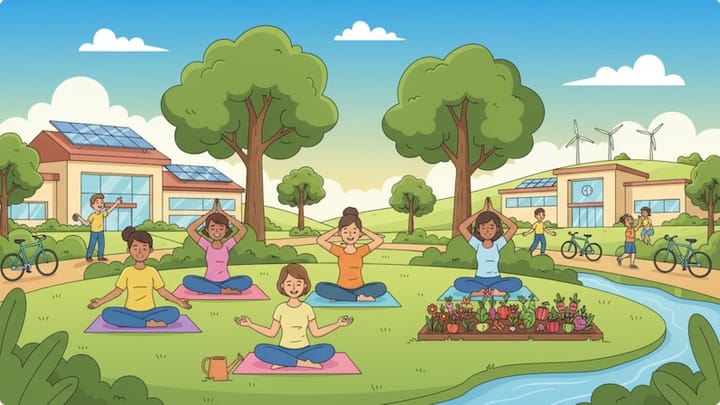
Yoga combines physical stretching with breathing exercises to calm the nervous system. Teachers who practice yoga regularly report lower stress levels and better sleep quality.
Many yoga styles work well for beginners. Hatha yoga focuses on basic poses and slow movements.
Restorative yoga uses props like blankets and blocks to support the body in relaxing positions. Vinyasa yoga links breath with flowing movements for a more active practice.
Teachers can start with 10-minute sessions at home using free videos online. Studios often offer beginner classes in the evenings or on weekends.
The practice helps release physical tension from standing or sitting all day while teaching the mind to focus on the present moment.
Walking and Hiking
Walking requires no special equipment or training. A 20-minute walk during lunch or after school lowers cortisol levels and clears mental fog.
Teachers can walk around their neighborhood, at a local park, or on school grounds. Hiking on trails takes walking further by adding nature exposure.
Studies show that time in green spaces reduces anxiety more than walking in urban areas. Weekend hikes give teachers a full break from screens and school-related thoughts.
Walking and hiking work as social activities too. Teachers can invite friends or family members to join them.
Some prefer solo walks with music or podcasts for a complete mental reset.
Dancing, Dance Classes, and Zumba
Dancing combines physical exercise with music and creative expression. The activity releases endorphins while engaging different parts of the brain than teaching does.
Zumba classes mix Latin dance moves with aerobic exercise in a group setting. The upbeat music and simple choreography make it easy for beginners to follow along.
Many gyms and community centers offer Zumba sessions in the evenings. Other dance classes like salsa, ballroom, or hip-hop give teachers new skills to learn outside their professional role.
Taking a beginner class puts teachers in the student position, which can feel refreshing. Dance also builds coordination and cardiovascular fitness without feeling like traditional exercise.
Swimming, Running, and Fitness
Swimming provides a full-body workout with zero impact on joints. The repetitive strokes and breathing patterns create a meditative state similar to yoga.
Pools offer a quiet environment where teachers can focus only on movement. Running builds endurance and gives teachers time alone with their thoughts.
Many runners describe a "runner's high" from endorphins released during longer runs. Starting with short distances and building up gradually prevents injury.
General fitness activities like strength training, cycling, or group fitness classes give teachers structured workout routines. Having a regular fitness schedule creates healthy boundaries between work time and personal time.
Gyms provide a space completely separate from school where teachers can focus on their own goals and progress.
Social and Community-Focused Hobbies
Teachers can find relaxation and renewed energy through activities that bring them together with others. Joining book clubs offers intellectual stimulation outside the classroom, volunteering provides meaningful purpose beyond teaching duties, and quality time with friends helps restore work-life balance.
Book Clubs and Reading for Pleasure
Book clubs give teachers a chance to enjoy reading without lesson plans or grading. Unlike required curriculum materials, reading for pleasure allows them to explore genres they love or discover new authors.
Meeting with a book club creates built-in social time with people who share similar interests. These groups typically meet monthly at coffee shops, libraries, or members' homes.
Teachers can discuss themes, characters, and ideas without analyzing them for educational standards. Benefits of book clubs for teachers:
- Mental break from work-related reading
- Low-pressure social interaction
- Exposure to different perspectives and interpretations
- Flexible commitment level
Many teachers find that reading for pleasure helps them decompress after long school days. The activity requires focus but feels restorative rather than draining.
Some book clubs even meet virtually, making participation easier for those with busy schedules.
Volunteering and Giving Back
Volunteering provides teachers with a sense of purpose outside their regular job duties. Many choose causes that differ from education to create mental distance from work.
Teachers can volunteer at animal shelters, food banks, community gardens, or environmental organizations. These activities use different skills than classroom teaching.
Physical volunteer work like building homes with Habitat for Humanity or maintaining trails offers a welcome change from desk work. Community service also helps teachers meet people from different professional backgrounds.
This expands their social network beyond school colleagues. Some teachers volunteer just a few hours per month, while others commit to weekly shifts.
Popular volunteering options:
- Local food pantries or soup kitchens
- Hospital or hospice care support
- Youth sports coaching
- Environmental cleanup projects
The act of helping others often reduces stress and improves mental health.
Spending Time With Friends
Regular social time with friends helps teachers maintain connections outside of school. These relationships provide emotional support and perspective that work colleagues cannot always offer.
Teachers benefit from spending time with friends who have different careers. Conversations shift away from school topics, giving their minds a complete break.
Activities can include dinners, movies, game nights, or outdoor adventures. Ways teachers connect with friends:
| Activity Type | Examples |
|---|---|
| Active pursuits | Hiking, tennis, running clubs |
| Creative activities | Painting classes, cooking together |
| Casual gatherings | Trivia nights, potlucks, coffee dates |
Making time for friendships requires intentional planning during the school year. Even brief meetups during busy weeks can provide meaningful connection and stress relief.
Relaxing Hobbies for Personal Enjoyment
Teachers can find meaningful ways to unwind through hobbies that engage the senses and provide creative outlets. Activities like gardening, cooking, listening to audio content, and photography offer practical stress relief while helping educators reconnect with interests beyond the classroom.
Gardening and Growing Plants
Gardening gives teachers a hands-on way to reduce stress while connecting with nature. Pulling weeds, watering plants, or tending to a vegetable patch provides physical activity that calms a busy mind after school hours.
Teachers can start small with potted plants on a patio or windowsill. Indoor plants bring greenery into living spaces and require minimal setup.
Watering plants weekly creates a simple routine that promotes relaxation. Outdoor gardening offers more variety.
Teachers can grow herbs, vegetables, or flowers depending on available space and climate. The process of planting seeds and watching them grow provides a sense of accomplishment separate from classroom responsibilities.
Many teachers find that spending even 15-20 minutes in a garden helps shift their focus away from work stress. The repetitive tasks involved in plant care create a meditative quality that soothes an overactive mind.
Baking and Cooking
Cooking and baking transform meal preparation into a relaxing creative outlet. Teachers who enjoy these activities can experiment with new recipes or revisit favorite dishes they haven't made in years.
Baking offers structured activities with clear steps and satisfying results. Teachers might try making bread, cookies, or desserts like sticky date pudding.
The process requires focus on measurements and techniques. This naturally diverts attention from school-related thoughts.
Cooking allows more flexibility for experimentation. Teachers can explore different cuisines, work with new spices, or plan small dinner gatherings.
Following recipes from cooking blogs or YouTube channels provides inspiration and guidance. Both activities engage multiple senses through taste, smell, and texture.
This sensory involvement helps teachers stay present in the moment. The finished product provides immediate gratification and something tangible to share with others.
Listening to Music, Podcasts, and Audiobooks
Audio content offers an accessible way for teachers to relax without requiring special equipment or preparation. Music, podcast episodes, and audiobooks fit easily into daily routines like cooking, bathing, or commuting.
Music streaming services provide free access to millions of songs across different genres. Teachers can create playlists for different moods—upbeat music for energy or calming instrumental tracks for winding down.
Listening to favorite songs lifts spirits and provides an emotional outlet. Podcasts cover endless topics from comedy to true crime to educational content.
Teachers can choose episodes based on current interests or explore new subjects completely unrelated to education. The conversational format feels personal and engaging.
Audiobooks work well for teachers who want to enjoy stories without the eye strain of reading after a day of looking at papers and screens. They allow teachers to experience novels, memoirs, or non-fiction while doing other relaxing activities.
Photography and Exploring Technology
Photography combines creative expression with learning new technology skills. Teachers can start with smartphone cameras before investing in more advanced equipment.
Taking photos encourages teachers to notice details in their surroundings—light patterns, colors, textures, or interesting compositions. This mindful observation provides a break from work-related thoughts.
Teachers might photograph nature, architecture, family moments, or everyday objects. Learning photography basics through articles, blogs, or online tutorials adds an educational element that many teachers naturally enjoy.
Understanding concepts like exposure, framing, and editing gives teachers a new skill set outside their professional expertise. Teachers can share photos on social media, create personal photo albums, or start a photography blog.
Some teachers develop YouTube channels to document their photography journey or share tips with others. The technology aspect keeps the hobby engaging as teachers explore editing software, camera features, and different shooting techniques.
Self-Care Rituals and Pampering Practices
Physical self-care helps teachers release tension and recharge after demanding school days. Simple pampering routines and new wellness activities create space for relaxation and personal renewal.
Pamper Yourself: Massage, Manicure, and Pedicure
Teachers spend hours on their feet and hunched over desks, which leads to physical strain. A professional massage targets muscle tension in the neck, shoulders, and back.
Monthly or quarterly massage appointments help prevent chronic pain. Regular manicures and pedicures offer more than cosmetic benefits.
These treatments provide dedicated time away from work demands. The process itself becomes a ritual of self-care.
Teachers can create spa experiences at home too. Soaking feet in warm water with Epsom salts relieves swelling after long days.
Simple hand massages with moisturizer take just five minutes. Filing and shaping nails while listening to music or a podcast adds enjoyment to basic grooming.
At-home pampering options:
- Foot soaks with essential oils (lavender, peppermint)
- DIY manicures on Sunday evenings
- Hand and foot massage with quality lotion
- Facial masks during weekend downtime
Try Something New and Explore Self-Care Ideas
Teachers who explore unfamiliar self-care practices often find unexpected ways to relax. Aromatherapy with essential oils in a diffuser creates calming environments at home.
Adult coloring books provide screen-free relaxation that requires minimal setup. Learning new self-care skills builds confidence and creates variety in routines.
Teachers might try making bath salts, blending their own facial oils, or creating custom tea blends. Online tutorials make these accessible for beginners.
Simple experiments with self-care prevent routines from becoming stale. Switching between different activities keeps the practice engaging.
A teacher might alternate between yoga one week, skincare routines another, and creative hobbies the next. The key is finding what feels restorative rather than like another task to complete.
Frequently Asked Questions
Teachers often have similar questions about finding the right hobbies and relaxation methods that fit into their busy schedules. The following answers address common concerns about stress relief, mindfulness practices, weekend activities, daily routines, creative outlets, and physical exercise.
What activities can teachers engage in to reduce stress after school hours?
Teachers can engage in several activities to reduce stress after the school day ends. Adult coloring books offer a simple way to practice mindfulness while staying in the present moment.
Jigsaws provide an engaging activity that requires focus without being mentally draining. Listening to music while cooking dinner or taking a shower helps shift mental gears away from classroom concerns.
Some teachers find that watering plants or pulling a few weeds in the garden creates a sense of calm. Watching a comedy or rom-com movie provides mental escape and much-needed laughter.
Cooking for enjoyment rather than necessity can be therapeutic. Making a favorite recipe or trying something new allows teachers to focus on a different kind of creativity.
Which hobbies are known to enhance mindfulness for educators?
Adult coloring is a well-known mindfulness practice that helps reduce anxiety and depression while keeping attention focused on the present. The repetitive nature of coloring within designs creates a meditative state.
Teachers can spend just a few minutes coloring to feel more centered. Gardening connects teachers to nature and provides a way to observe growth and change over time.
The act of watering plants, whether indoors or outdoors, creates moments of tranquility. Working with soil and tending to living things grounds teachers in the physical world.
Embroidery and stitching require focused attention on each stitch and pattern. These crafts engage both hands and mind in a repetitive, calming rhythm.
The slow, deliberate nature of needlework naturally encourages mindful awareness.
Which relaxing hobbies can teachers partake in during weekends to recharge?
Movie nights on weekends provide complete mental breaks from work-related thoughts. Teachers can choose films they've been anticipating and make it a regular ritual.
Streaming services offer easy access to a wide variety of entertainment options. Painting projects give teachers time to explore creative expression without time pressure.
Whether taking a class or working independently at home, painting engages different parts of the brain than teaching does. Setting up an easel and canvas creates a dedicated space for artistic exploration.
Starting or continuing a collection hobby offers low-pressure enjoyment. Teachers might collect books, antique items, spices for cooking, or scarves.
The hunt for new additions and organizing collections provides satisfaction without stress. Weekend cooking projects allow teachers to make elaborate recipes they don't have time for during the week.
Baking treats or preparing special meals gives a sense of accomplishment. Sharing these creations with others adds a social element to the hobby.
How can teachers incorporate relaxation into their daily routine?
Teachers can add short bursts of relaxing activities throughout their day rather than waiting for extended free time. A few minutes of adult coloring in the morning creates a calm start before heading to school.
Playing favorite music during the commute or while preparing breakfast shifts mood and energy. Keeping a small jigsaw puzzle set up at home allows teachers to work on it for just five or ten minutes at a time.
Even brief engagement with a hobby helps break the cycle of work-related thoughts. These small moments add up over time.
Watering indoor plants takes only a few minutes but provides a peaceful transition between work and home life. The routine of caring for living things offers consistency and purpose.
Green plants throughout the home create ongoing visual reminders to breathe and slow down. Setting firm boundaries about when work stops is essential.
Teachers can designate a specific time each evening when school planning and marking must wait until the next day. This creates protected time for hobbies and relaxation.
What type of creative hobbies can benefit teachers' mental health?
Embroidery and stitching offer both creative expression and stress relief through repetitive hand movements. Starting with a kit that includes all necessary materials makes beginning easier.
The finished products provide tangible evidence of time well spent and can be displayed at home. Painting with acrylics or watercolors allows teachers to experiment with color and form without pressure.
Online classes provide structure and instruction for those new to the medium. The process matters more than creating perfect artwork.
Cooking and baking engage creativity while producing something practical and enjoyable. Experimenting with new spices, techniques, or recipes keeps the activity fresh and interesting.
The sensory experience of working with food engages multiple senses. Adult coloring combines artistic choice with low-stakes creativity.
Teachers can experiment with color combinations without worrying about mistakes. The structured patterns make it accessible even for those who don't consider themselves artistic.
Can physical activities and sports serve as effective relaxation techniques for teachers?
Physical activities provide stress relief through movement. They can be as relaxing as sedentary hobbies.
Gardening involves physical work like digging, weeding, and carrying plants or soil. This combination of exercise and connection to nature offers multiple benefits.
Walking, hiking, and swimming give teachers time outdoors while moving their bodies. These activities don't require intense focus, allowing the mind to wander or process the day's events.
The rhythmic nature of these movements can be meditative.
Playing a musical instrument engages both physical coordination and mental focus. Learning new songs or practicing techniques requires concentration that pushes work thoughts aside.
The physical act of producing sound through breath or hand movements creates embodied relaxation.
Even light physical activities like arranging plants on a patio or setting up craft materials involve movement that differs from a teacher's typical workday. This change in physical engagement helps signal to the body that work time has ended.
Different types of movement create different states of mind.