Teaching is one of the most demanding jobs, with days that often stretch beyond school hours and stress that follows educators home.
Many teachers struggle to separate work from personal time, especially when grading papers, answering emails, and planning lessons can happen anywhere at any time.
Without a clear end to the workday, burnout becomes a real risk.
Building an evening routine helps teachers create clear boundaries between work and rest, leading to better sleep, reduced stress, and more energy for the classroom.
Simple practices like tidying up a workspace, putting away devices, or spending a few minutes on personal activities can make a significant difference.
These routines don't need to be complicated or time-consuming to be effective.
The right evening habits help teachers recover from the day's demands and prepare mentally for tomorrow.
When educators take time to recharge in the evening, they show up as better teachers, with more patience and focus for their students.
Key Takeaways
- Evening routines help teachers create clear boundaries between work time and personal time
- Simple practices like organizing your space and limiting screen time improve sleep quality and reduce stress
- Taking just a few minutes for self-care activities each evening leads to better energy and focus in the classroom
Creating Boundaries to End the Teaching Day

Teachers need clear signals that mark the end of their workday.
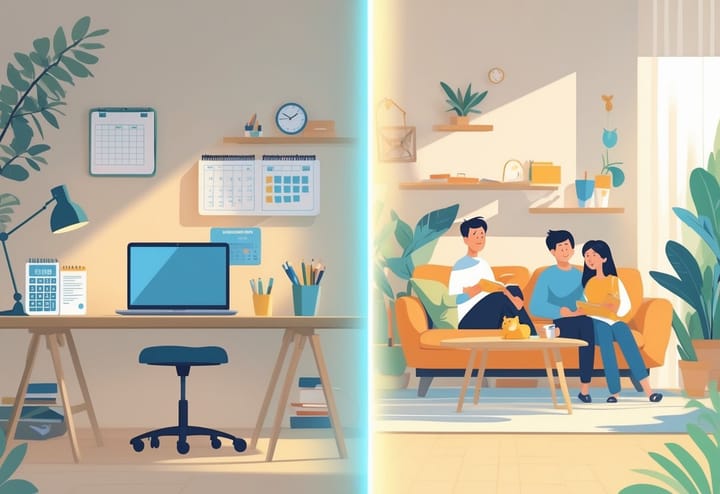
Physical and mental boundaries help separate professional responsibilities from personal time, making it easier to relax and recharge.
Establishing a Closing Ritual
A closing ritual acts as a mental switch that tells the brain work time is over.
Teachers should choose activities that create a consistent end-point to their day.
Type-A teachers benefit from organizing their desk, reviewing their to-do list, and preparing tasks for tomorrow.
This process brings closure and reduces morning stress.
After completing these tasks, they should leave their workspace and physically close the door.
Teachers who struggle with ongoing work should shut down their computer completely.
Closing the laptop signals the brain that teaching tasks must wait until tomorrow.
Stressed teachers need movement to release tension.
A short walk outside or a phone call with a friend helps shift focus away from classroom concerns.
Fresh air and social connection provide natural stress relief.
Some teachers prefer quiet activities like journaling or reading with their favorite beverage.
These calming actions create space between work demands and personal time.
Transitioning from Work to Home
The shift from teaching mode to home life requires intentional action.
Teachers working from home face unique challenges since their commute might only be a few steps.
Remote teachers must create artificial transitions that replace the drive home.
Playing specific music, changing clothes, or taking a brief walk around the block marks the end of the teaching day.
These simple actions provide the mental break that a commute once offered.
Teachers should avoid checking work emails after their designated end time.
Setting specific hours for work communication protects evening hours for rest and family.
Separating Digital Workspaces
Digital boundaries prevent work from bleeding into personal time.
Teachers need strategies to manage technology and reduce screen exposure during evening hours.
Putting phones away at least 30 minutes before bed improves sleep quality.
The constant availability of emails and messages keeps the brain in work mode.
Teachers who check their phones before sleep often find it harder to fall asleep.
Creating separate user profiles on shared devices helps maintain clear boundaries.
A work profile contains teaching apps and email, while a personal profile focuses on leisure activities.
Switching profiles creates a clear division between professional and personal use.
Teachers should turn off work-related notifications after hours.
Silencing these alerts prevents the temptation to respond to non-urgent matters.
Most teaching tasks can wait until the next workday without negative consequences.
Organizing for a Smoother Tomorrow
Taking time to organize before bed cuts down morning stress and helps teachers start the day with focus.
Simple preparation tasks in the evening create a clear path for the next teaching day.
Tidying Up Your Workspace
A clean workspace sets the stage for a productive morning.
Teachers should spend 10-15 minutes each evening clearing their desk of papers, supplies, and materials from the day's lessons.
Sorting items into three categories works well: keep, file, and throw away.
Important documents go into designated folders.
Completed work gets filed in the proper location.
Unnecessary papers go in the recycling bin.
Teachers can arrange the next day's materials in a visible spot on the desk.
This includes handouts, markers, grade books, and any special supplies needed for planned activities.
A tidy desk removes visual clutter that can create mental stress.
The physical act of organizing also signals to the brain that the work day is ending.
This mental transition helps teachers separate work time from personal time.
Preparing Lesson Plans in Advance
Evening time offers a quiet period to review and refine lesson plans for the coming day.
Teachers should look over their schedules and double-check that all materials are ready.
This review process takes about 15-20 minutes.
Teachers can verify that copies are made, digital files are loaded, and any special equipment is available.
Checking these details prevents last-minute scrambling in the morning.
For teachers who create detailed lesson plans, keeping a weekly template saves time.
The template should include standard sections like objectives, activities, and materials needed.
Many teachers find it helpful to review not just tomorrow's plans but the entire week ahead.
Making notes about student needs or potential challenges keeps important details fresh.
These quick reminders help teachers respond better to individual students during class.
Setting Priorities for the Next Day
Creating a simple priority list focuses energy on what matters most.
Teachers should write down the top 3-5 tasks that must get done the next day.
Priority lists work best when they distinguish between urgent and important tasks.
Urgent items include parent calls, grading deadlines, or required meetings.
Important items might include planning future units or working on professional development goals.
High-priority items typically include:
- Time-sensitive communications with parents or administrators
- Grading that students need for upcoming work
- Preparation for scheduled observations or meetings
- Materials needed for hands-on activities
Teachers can organize their lists by time blocks that match their daily schedule.
Morning tasks go at the top, followed by lunch period work and afternoon responsibilities.
This structure creates a natural flow for the next day.
Setting priorities the night before prevents decision fatigue in the morning.
Teachers wake up knowing exactly what needs their attention first.
Restorative Self-Care Practices
Teachers need specific practices that restore energy and reduce stress after demanding school days.
These activities focus on calming the mind, caring for the body, and building habits that support long-term health.
Mindful Relaxation Techniques
Deep breathing exercises help teachers shift from work mode to rest mode.
A simple practice involves breathing in for four counts, holding for four counts, and breathing out for six counts.
Teachers can repeat this pattern for five to ten minutes while sitting in a quiet space.
Meditation doesn't require special skills or equipment.
Teachers can start with just three to five minutes of sitting quietly and noticing their thoughts without judgment.
Apps and guided recordings offer structure for those new to the practice.
Progressive muscle relaxation releases physical tension that builds up during the school day.
This technique involves tensing and relaxing each muscle group, starting with the toes and moving up to the head.
The process takes about ten minutes and can be done while lying in bed or sitting in a comfortable chair.
Journaling provides an outlet for processing the day's events.
Teachers can write freely about their experiences, list things they're grateful for, or note what went well during the day.
Physical Well-Being and Movement
Gentle stretching relieves muscle tightness from standing, sitting at desks, or moving around classrooms.
Teachers should focus on areas that hold the most tension, like the neck, shoulders, lower back, and hips.
Each stretch should be held for 20 to 30 seconds without bouncing or forcing the movement.
Walking outside offers both physical activity and mental recovery.
A 15 to 20 minute walk at a comfortable pace helps clear the mind and provides fresh air.
Teachers who prefer staying indoors can do light yoga flows that combine movement with breathing.
Evening movement options:
- Gentle yoga or stretching
- Short neighborhood walks
- Light household activities like gardening
- Swimming or water exercise
- Dancing to favorite music
Physical activity in the evening should be calming rather than intense.
High-energy workouts can interfere with sleep if done too close to bedtime.
Healthy Evening Habits
A consistent sleep schedule helps teachers feel more rested and alert.
Going to bed and waking up at the same time each day, even on weekends, regulates the body's internal clock.
Most adults need seven to nine hours of sleep per night.
Screen time before bed disrupts sleep quality.
Teachers should stop using phones, tablets, and computers at least 30 to 60 minutes before bedtime.
The blue light from these devices interferes with melatonin production, making it harder to fall asleep.
Creating a calm bedroom environment supports better rest.
The room should be dark, quiet, and cool (around 65 to 68 degrees).
Blackout curtains, white noise machines, or fans can help create ideal conditions.
A light evening snack prevents hunger from disrupting sleep, but heavy meals should be avoided within three hours of bedtime.
Good options include a small bowl of oatmeal, a banana with almond butter, or a handful of nuts.
Teachers should also limit caffeine after 2 PM and avoid alcohol close to bedtime, as both substances interfere with sleep quality.
Balancing Personal and Professional Life
Teachers who create clear boundaries between work and home life experience less burnout and more job satisfaction.
Reducing evening screen exposure, participating in hobbies, and maintaining strong relationships helps educators restore their energy for the next school day.
Limiting Screen Time Before Bed
Screen exposure in the evening disrupts sleep quality and makes it harder for teachers to separate from work responsibilities.
The blue light from phones, tablets, and computers interferes with melatonin production, which the body needs to fall asleep naturally.
Teachers should stop checking work emails at least one hour before bedtime.
This creates a mental boundary that signals the workday has ended.
Many educators find it helpful to charge their devices outside the bedroom to avoid late-night temptation.
Setting specific times to power down screens gives the brain time to transition from work mode to rest mode.
Teachers can use phone settings to schedule automatic "do not disturb" periods.
This prevents notifications from pulling attention back to classroom concerns during personal time.
Physical books, conversation, or quiet activities work better than screens for evening relaxation.
Teachers who follow this practice report falling asleep faster and waking up more refreshed.
Engaging in Enjoyable Activities
Personal hobbies and interests provide mental recovery that teachers need after demanding school days.
Activities unrelated to teaching allow the mind to process stress differently and build resilience.
Teachers should dedicate 30 to 45 minutes each evening to activities they genuinely enjoy.
This might include reading fiction, gardening, cooking, playing music, crafting, or exercising.
The specific activity matters less than the regular commitment to personal enjoyment.
Physical movement like walking, yoga, or dancing releases endorphins that counter daily stress.
Creative pursuits such as painting or writing engage different parts of the brain than lesson planning does.
Even simple activities like listening to music or working on puzzles provide valuable mental breaks.
Routines for teachers that include pleasurable activities prevent work from consuming all available energy.
These moments of personal fulfillment make educators more effective in the classroom because they return to work feeling renewed rather than depleted.
Nurturing Personal Relationships
Strong connections with family and friends protect teachers from the isolation that often accompanies stressful careers.
Regular social interaction provides emotional support and perspective that helps educators handle classroom challenges.
Teachers should schedule specific evening times for uninterrupted conversation with partners, children, or close friends.
Shared meals without work discussions create opportunities for genuine connection.
Even 20 minutes of focused attention on loved ones strengthens relationships.
Phone calls or video chats work well for teachers whose friends and family live far away.
The key is consistency rather than duration.
Brief but regular check-ins maintain bonds better than occasional long conversations.
Social connections remind teachers of their identity beyond the classroom.
Friends and family offer different viewpoints and help educators remember what matters most in their lives.
Cultivating a Mindset for Rest and Renewal
Teachers who approach their evenings with intention can shift from work mode to rest mode more effectively.
Practicing gratitude helps release the day's stress, while consistent sleep habits train the body to recognize when it's time to wind down.
Gratitude and Reflection Practices
Taking five to ten minutes each evening to write down three things that went well helps teachers process their day without carrying tension into the night.
This practice doesn't need to focus only on major victories. Small moments like a student's smile or a successful lesson transition count just as much.
Some teachers prefer structured journaling prompts. Others benefit from free writing about their thoughts and feelings.
Both methods work because they give worries a place to rest outside the mind.
Simple reflection questions include:
- What made me smile today?
- What challenge did I handle well?
- What can I let go of before tomorrow?
Writing these answers down prevents overthinking in bed.
Teachers often replay difficult classroom moments at night. Reflection time creates a clear boundary between processing and ruminating.
This shift allows the mind to rest instead of rehearsing conversations or planning solutions during sleep hours.
Building Consistent Sleep Hygiene
Going to bed and waking up at the same time every day trains the body's internal clock.
Teachers who maintain this schedule even on weekends fall asleep faster and wake up feeling more refreshed.
The bedroom environment matters just as much as timing. Keeping the room cool, dark, and quiet signals to the brain that it's time for sleep.
Heavy curtains block out early morning light. White noise machines can mask disruptive sounds from neighbors or traffic.
Key sleep hygiene practices:
- Set a firm bedtime and wake time
- Keep the bedroom temperature between 60-67 degrees
- Remove screens at least one hour before bed
- Use the bed only for sleep, not grading papers
Teachers should avoid caffeine after 2 PM and limit heavy meals within three hours of bedtime.
Light snacks like bananas or herbal tea support rest without forcing the body to work overtime during sleep.
Creating these boundaries between work tasks and sleep space helps evening routines become true recovery time.
Frequently Asked Questions
What elements should be included in a teacher's bedtime ritual to ensure proper rest?
A solid bedtime ritual starts with putting away phones and screens at least 30 minutes before sleep.
The blue light from devices makes it harder to fall asleep naturally.
Teachers should set a consistent bedtime and wake time, even on weekends. This helps the body maintain its natural sleep rhythm.
The bedroom should be cool, dark, and quiet. A temperature between 60-67 degrees Fahrenheit works best for most people.
Light stretching or deep breathing exercises help release physical tension from standing and moving all day.
Scanning the body from head to toe identifies areas that need extra attention.
How can teachers effectively unwind after a long day in the classroom?
Creating a clear end to the workday helps the brain shift out of teaching mode.
This can be as simple as shutting down the computer, closing the classroom door, or changing out of work clothes.
A short walk outside provides fresh air and movement after hours indoors. Even 10-15 minutes makes a difference in stress levels.
Listening to music while tidying up the workspace signals the transition from work to personal time.
Some teachers find singing along helps release built-up tension.
Taking time for a favorite beverage while reading or journaling gives the mind something calm to focus on.
This breaks the cycle of replaying classroom events.
What are some efficient time-management tips for teachers during the evening hours?
Making a to-do list for the next day before leaving work prevents tasks from cycling through the mind all evening.
Writing things down gives the brain permission to stop thinking about them.
Setting specific work hours at home and sticking to them prevents teaching from taking over every evening.
Teachers who work from home should physically leave their workspace when time is up.
Organizing the teaching space each evening means starting fresh the next day.
A clean workspace takes less mental energy to work in.
Batching similar tasks together saves time. Grading all math assignments at once is faster than switching between different subjects.
Planning meals ahead reduces evening stress.
Preparing ingredients on weekends or using a slow cooker means less time cooking on busy weeknights.
Can you suggest some physical exercises that are beneficial for teachers to relax in the evening?
Gentle yoga helps stretch muscles that get tight from standing and sitting throughout the day.
Focus on hip openers, shoulder rolls, and forward folds.
Walking is simple and requires no special equipment. A 20-30 minute walk after school helps burn off excess energy and clear the mind.
Light stretching before bed releases tension in the neck, shoulders, and lower back.
These areas often hold stress from teaching.
Swimming or water aerobics provide low-impact exercise that feels soothing.
The water supports the body while muscles work.
Avoid intense workouts close to bedtime. High-energy exercise can make it harder to fall asleep if done within three hours of bed.
Which relaxation techniques are most suitable for teachers to alleviate work-related stress?
Deep breathing exercises calm the nervous system quickly.
Breathing in for four counts and out for four counts signals the body to relax.
Progressive muscle relaxation involves tensing and releasing each muscle group from toes to head.
This technique helps identify where stress lives in the body.
Gratitude practice shifts focus from problems to positive aspects of the day.
Thinking of three specific things to appreciate takes about two minutes.
Journaling for five minutes helps process the day's events.
Writing down thoughts keeps them from replaying constantly.
Listening to calming music or nature sounds creates a peaceful environment.
Sound can block out mental chatter about tomorrow's lessons.
What nutrition guidelines should teachers follow in their evening meals to promote better sleep and recharge?
Eating dinner at least three hours before bedtime gives the body time to digest. Going to bed on a full stomach can disrupt sleep.
Meals should include protein, vegetables, and complex carbohydrates. This combination provides steady energy without blood sugar spikes.
Limiting caffeine after 2 PM prevents it from interfering with sleep. This includes coffee, tea, chocolate, and some sodas.
Avoiding large amounts of sugar in the evening prevents energy crashes and restless sleep. Sweet treats are fine in small portions earlier in the day.
Staying hydrated throughout the day is important. Drinking too much water right before bed means waking up for bathroom trips.
Teachers should drink most of their water during school hours. Foods high in magnesium like nuts, seeds, and leafy greens can promote better sleep.
A small snack with these foods an hour before bed may help.