Teaching is one of the most demanding professions. Teachers manage large classrooms, handle diverse student needs, and complete endless administrative tasks.
Studies show that teachers frequently feel overwhelmed, exhausted, and discontent.
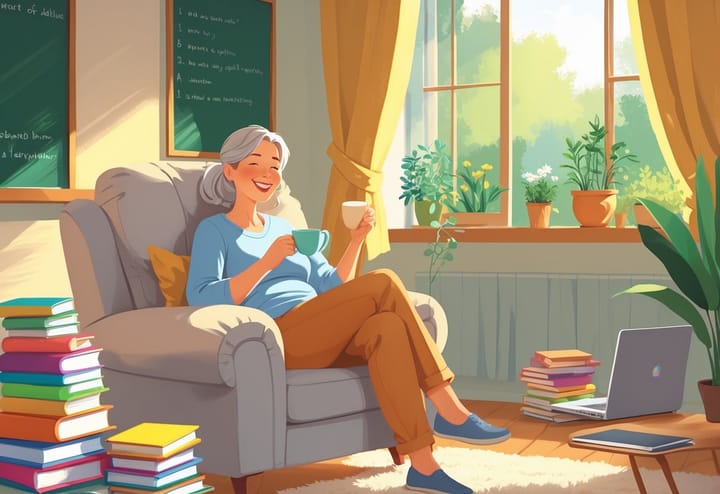
A nurturing home environment acts as a counterbalance to daily stresses and provides teachers with a much-needed space to recharge and restore their mental wellness.
Creating a relaxing home environment is not about making major changes or spending lots of money. Simple adjustments like adding personal touches, creating designated relaxation areas, and establishing clear boundaries between work and home life can make a big difference.
When teachers have a home that feels like a sanctuary, they enter their classrooms with renewed energy, creativity, and patience. This article explores practical ways teachers can transform their homes into peaceful retreats.
From designing calm spaces to establishing mindfulness practices, these strategies help teachers maintain better work-life balance and prevent burnout.
Key Takeaways
- Teachers need a relaxing home environment to recover from the mental and physical demands of their profession
- Simple changes like personal decor, designated work zones, and mindfulness practices can transform a home into a restorative sanctuary
- A peaceful home environment helps teachers maintain healthy boundaries, prevent burnout, and bring renewed energy to their classrooms
Understanding the Need for Teacher Relaxation
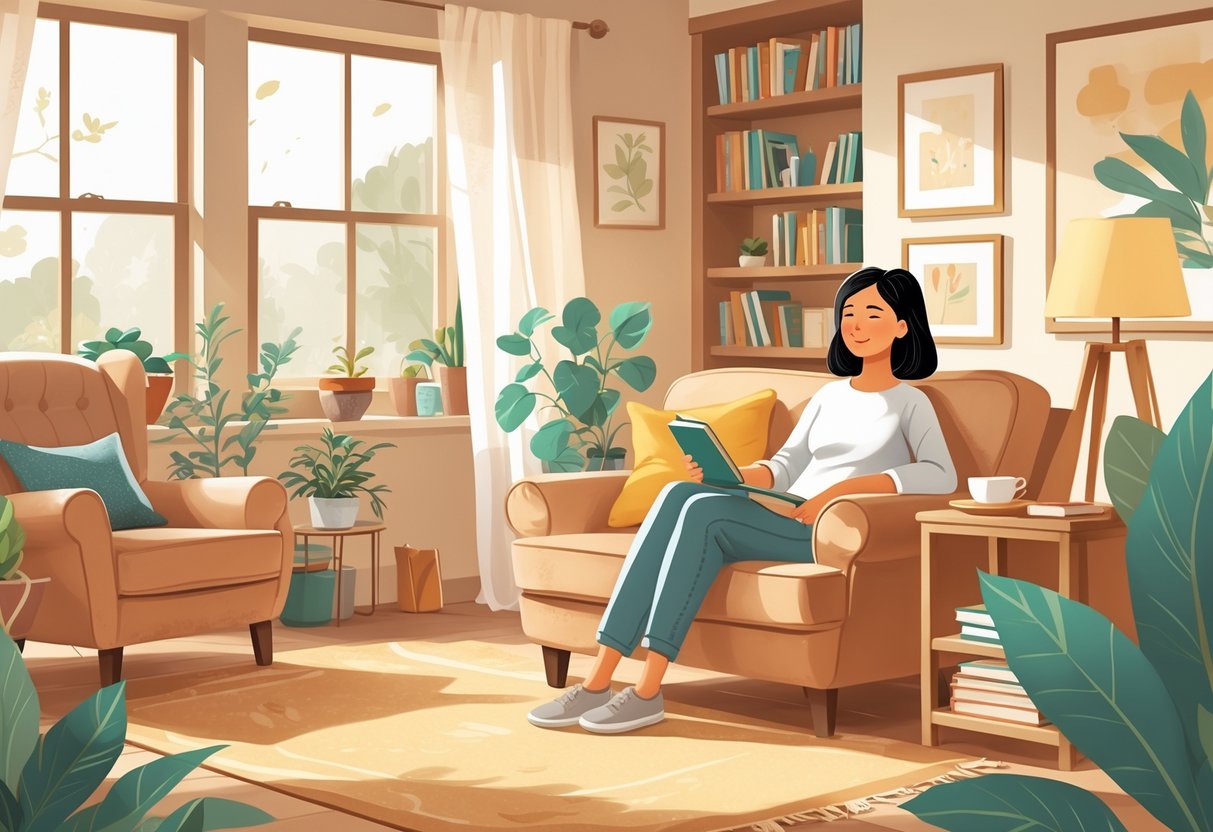
Teachers face unique pressures that drain their energy and affect their ability to work effectively. The demands of managing classrooms, meeting student needs, and handling administrative tasks create stress that follows them home.
The Impact of Stress in the Classroom
Classroom stress affects teachers in multiple ways. Managing large groups of students with different learning needs requires constant attention and quick decisions.
Teachers handle behavior issues, adapt lessons for various skill levels, and respond to unexpected situations throughout the day. The physical demands add up quickly.
Teachers spend most of their day standing, moving between desks, and carrying materials. They rarely get breaks during school hours.
Mental exhaustion comes from the constant need to stay alert and engaged. Teachers must:
- Monitor student behavior and safety
- Adjust teaching methods in real time
- Answer questions and provide support
- Meet curriculum requirements and deadlines
High-stakes testing adds pressure. Teachers feel responsible for student performance while dealing with limited resources and growing class sizes.
Burnout and Teacher Well-Being
Teacher burnout is a serious problem in education. Studies show that teachers frequently feel overwhelmed and mentally exhausted from their responsibilities.
The signs of burnout include physical tiredness, emotional drain, and reduced effectiveness at work. Teachers experiencing burnout may struggle to connect with students or find joy in teaching.
Mental health suffers when teachers lack time to recover from daily stress. The combination of heavy workloads, emotional labor, and limited support systems creates conditions for burnout.
Self-care becomes difficult when work demands take over personal time. Many teachers bring work home, grade papers late into the evening, and plan lessons during weekends.
Work-Life Balance for Educators
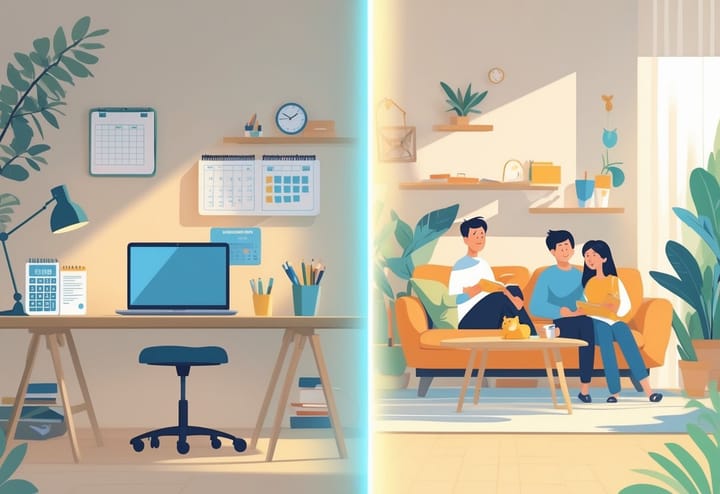
Creating boundaries between work and home life proves challenging for teachers. Lesson planning, grading, and parent communication often extend beyond school hours.
This blurs the line between professional and personal time. Teachers need dedicated time for activities outside of teaching.
Hobbies, exercise, and social connections help maintain mental wellness. A supportive home environment gives teachers space to disconnect from work responsibilities.
Setting clear boundaries helps protect personal time. This might include:
- Designating specific work hours at home
- Creating a separate workspace
- Avoiding work-related tasks during evenings or weekends
- Making time for relaxation and hobbies
A proper work-life balance allows teachers to recharge their energy. When teachers take care of themselves, they return to the classroom with renewed focus and patience for their students.
Designing a Calm and Restorative Home Space
Teachers need a home environment that actively supports rest and recovery after demanding school days. Strategic design choices in color, lighting, natural elements, and organization create spaces that reduce stress and promote genuine relaxation.
Incorporating Natural Elements for Relaxation
Bringing nature indoors helps teachers reconnect with calming outdoor environments after spending hours in artificial classroom settings. Indoor plants like snake plants, pothos, or rubber plants require minimal care while improving air quality and creating visual interest.
These low-maintenance options work well for busy schedules. Natural materials add warmth and texture throughout the home.
Wood furniture, bamboo accents, or stone elements provide organic touches that feel grounding. Even small additions like a wooden tray on a coffee table or bamboo blinds contribute to a nature-inspired atmosphere.
Natural light offers the strongest connection to the outdoors. Teachers should maximize daylight by using sheer curtains or light-filtering blinds that maintain privacy while allowing sunlight to enter.
Windows left unobstructed during daytime hours help regulate circadian rhythms and improve mood. Fresh flowers, botanical prints, or nature photography reinforce the biophilic design approach.
A simple vase of greenery on a desk or landscape photos in the bedroom subtly enhance the calming effect without requiring significant investment or effort.
Decluttering and Creating Visual Calm
Visual clutter creates mental noise that prevents relaxation. Teachers who manage classroom materials all day benefit from clear surfaces and organized storage at home.
Closed storage solutions like media cabinets, built-in shelving, or storage ottomans hide everyday items while maintaining a clean appearance.
Effective decluttering strategies include:
- Removing items that no longer serve a purpose
- Designating specific homes for frequently used items
- Using baskets or bins to corral loose objects
- Keeping countertops and tables mostly clear
- Storing paperwork and mail in filing systems
Each room needs intentional storage based on its function. Entryways benefit from hooks and shoe storage, while bedrooms require adequate closet space and nightstand drawers.
Teachers should avoid cramming furniture into spaces, leaving room for easy movement between areas. Regular decluttering prevents accumulation.
Setting aside 10 minutes weekly to clear surfaces and return items to their designated spots maintains the calm atmosphere without requiring major cleaning sessions.
Using Soothing Colors and Lighting
Color directly impacts emotional state and stress levels. Soft whites, muted greens, gentle grays, and earthy tones create peaceful backdrops that calm rather than stimulate.
These nature-inspired hues work particularly well in bedrooms and living areas where teachers decompress after work. Bold colors can overwhelm the senses when used extensively.
Teachers should limit saturated tones to small accents like throw pillows, artwork, or a single feature wall. Navy blue or forest green accessories add depth without creating visual chaos.
Lighting requires multiple layers to support different activities and times of day. Dimmable overhead lights, table lamps, and wall sconces allow teachers to adjust brightness based on needs.
Warm-toned bulbs (2700-3000K) promote relaxation in evening hours, while cooler daylight bulbs (5000K) energize morning routines. Task lighting serves specific purposes like reading or grading papers.
Floor lamps near reading chairs or pendant lights over kitchen islands provide focused illumination without harsh glare. Soft ambient lighting from multiple sources eliminates the stark feel of single overhead fixtures.
Establishing Mindfulness and Relaxation Practices at Home
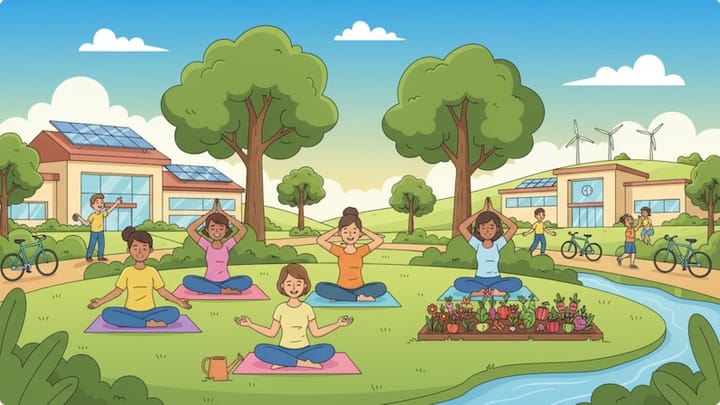
Teachers can reduce stress and improve well-being by incorporating simple mindfulness techniques, practicing breathing exercises, and setting up a specific area in their homes dedicated to relaxation.
Mindfulness Techniques for Teachers
Teachers can practice mindfulness through brief meditation sessions lasting 5 to 10 minutes each day. These sessions help clear mental clutter from classroom responsibilities and grading tasks.
Simple mindfulness practices include:
- Mindful eating during meals without screens or work materials
- Body scan meditation before bed to release physical tension
- Gentle awareness of thoughts without judgment during quiet moments
- Morning intention-setting to start the day with purpose
Walking meditation offers another effective option for educators who prefer movement. Teachers can practice this by focusing on each step during a short walk around their home or neighborhood.
The practice doesn't require special equipment or extensive time commitments. Journaling serves as a powerful mindfulness tool.
Teachers can spend a few minutes writing about their experiences, feelings, or observations from the day. This practice helps process emotions and gain perspective on classroom challenges.
Breathing and Calming Exercises
Breathing exercises provide immediate stress relief for teachers dealing with demanding workdays. The 4-7-8 technique involves inhaling for 4 counts, holding for 7 counts, and exhaling for 8 counts.
This pattern activates the body's relaxation response. Box breathing offers another effective method.
Teachers breathe in for 4 counts, hold for 4 counts, exhale for 4 counts, and hold again for 4 counts. This technique takes only 2 to 3 minutes and can be done anywhere in the home.
Additional calming practices:
- Diaphragmatic breathing while lying down or sitting comfortably
- Progressive muscle relaxation starting from the toes and moving upward
- Visualization of peaceful settings combined with slow breathing
Teachers should practice these exercises at consistent times each day. Morning sessions prepare the mind for the day ahead, while evening practices promote better sleep quality.
Creating a Dedicated Relaxation Zone
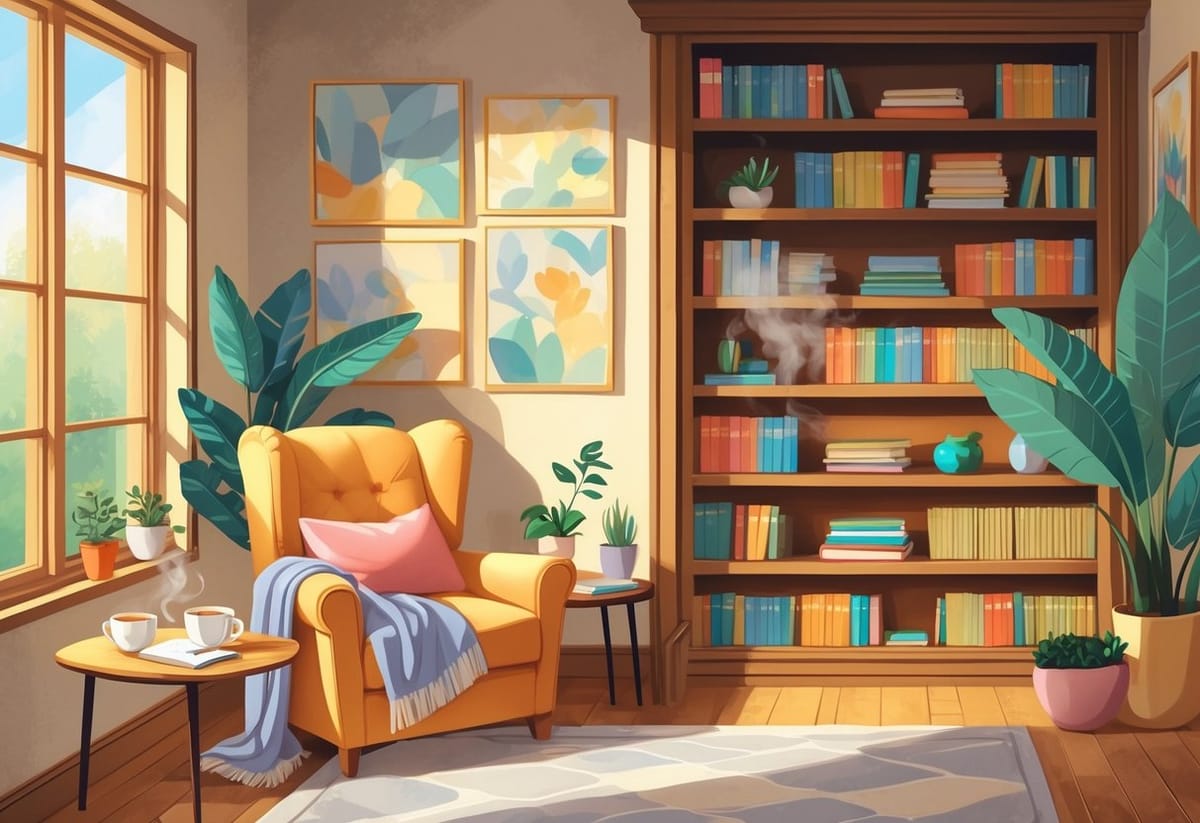
A specific relaxation area signals to the brain that it's time to unwind. Teachers should choose a quiet corner or small room away from work materials and lesson plans.
The space needs comfortable seating such as a cushioned chair, floor pillows, or a yoga mat. Clean and organized spaces reduce stress more effectively than cluttered areas.
Natural elements like plants improve air quality and create a calming atmosphere.
Essential items for the relaxation zone:
| Item | Purpose |
|---|---|
| Soft lighting or candles | Creates gentle ambiance |
| Cushions or blankets | Provides physical comfort |
| Small table or shelf | Holds meditation tools |
| Plants | Adds natural elements |
Teachers can personalize this space with calming colors like soft blues, greens, or neutrals. The area should remain screen-free to prevent work-related distractions.
Storage solutions keep the space tidy and maintain its peaceful purpose. This dedicated zone becomes a retreat from grading papers and planning lessons.
Teachers benefit most when they use this space regularly for their mindfulness and breathing practices.
Fostering Positive Relationships and Open Communication
Teachers need strong connections with family members and clear communication at home to recharge effectively. Setting boundaries between professional and personal life protects mental health and creates space for genuine relaxation.
Encouraging Positive Relationships at Home
Strong family relationships provide emotional support that helps teachers recover from demanding workdays. Teachers should prioritize quality time with family members through shared activities like meals, game nights, or simple conversations.
Making time for loved ones requires intentional planning. Teachers can schedule regular family activities on their calendars just like work commitments.
This approach ensures relationships don't get pushed aside by grading papers or lesson planning. Small gestures strengthen bonds without requiring extensive time.
Leaving encouraging notes for family members, asking about their day, or offering help with household tasks builds connection. These actions demonstrate care and create a supportive home atmosphere.
Teachers should also recognize when relationships need attention. Stress from work can spill into home life and affect interactions with family members.
Being aware of this helps teachers address issues before they grow larger.
Practicing Open Communication with Family
Open communication helps family members understand the unique pressures teachers face. Teachers should share their feelings about work challenges, stress levels, and need for downtime with their household.
Setting aside dedicated talk time creates space for honest conversations. This might mean 15 minutes after dinner or a weekly check-in where everyone shares their concerns and needs.
Key communication practices include:
- Explaining when work stress affects mood or energy levels
- Asking for specific support when needed
- Listening actively to family members' concerns
- Avoiding dismissive responses when others share feelings
Teachers should express their needs clearly rather than expecting family members to guess. Saying "I need quiet time for an hour" works better than showing frustration when interrupted.
Direct communication prevents misunderstandings and builds mutual respect.
Maintaining Boundaries Between Work and Personal Life
Physical and mental boundaries protect home life from work demands. Teachers should designate a specific workspace at home and avoid working in relaxation areas like bedrooms or living rooms.
Time boundaries matter just as much as physical ones. Setting a firm cutoff time for work tasks prevents teaching responsibilities from consuming entire evenings.
Teachers can use timers or phone reminders to signal when work time ends. Establishing these limits requires consistency.
Family members need to know when teachers are available and when work takes priority. A visual signal like a closed door or sign can indicate work time versus family time.
Teachers should also limit work-related communication during personal hours. This means turning off email notifications, not answering parent calls during family dinner, and resisting the urge to check school messages constantly.
These boundaries allow teachers to be fully present at home and recharge for the next school day.
Enhancing Emotional Intelligence and Self-Care
Teachers can strengthen their home environment by developing emotional awareness skills and incorporating calming practices from the classroom. These strategies help manage work stress and create boundaries between professional and personal life.
Building Emotional Intelligence for Stress Relief
Emotional intelligence helps teachers recognize and regulate their feelings after demanding school days. This skill involves identifying stress triggers, understanding emotional responses, and choosing healthy coping methods.
Teachers should practice naming their emotions when they arrive home. Simple statements like "I feel frustrated" or "I'm exhausted" help process the day's challenges.
This awareness prevents emotions from building up over time. Taking five minutes to sit quietly and check in with feelings supports emotional processing.
Writing down three emotions experienced during the day is another effective strategy. Noticing physical signs of stress like tension or fatigue can also be helpful.
Choosing one calming activity based on current needs allows for targeted self-care. Setting up a transition ritual between work and home strengthens emotional boundaries.
This might involve changing clothes, taking a short walk, or listening to music. The ritual signals to the brain that work time has ended.
Teachers can also track emotional patterns over weeks to identify recurring stressors. This information helps create targeted solutions for specific challenges.
Utilizing Non-Verbal Cues for Calm
Non-verbal cues shape the emotional atmosphere at home just as they do in classrooms. Body language, facial expressions, and physical environment all communicate messages that affect mood and stress levels.
Teachers should maintain relaxed posture and gentle movements when at home. Tense shoulders, rapid movements, and tight facial expressions signal stress to the body and keep it in an alert state.
Creating visual calm involves organizing spaces to reduce mental clutter. Clear surfaces, soft lighting, and comfortable seating areas send non-verbal messages of peace and order.
Dim or warm lighting instead of bright overhead lights creates a soothing environment. Soft textures like blankets and cushions add comfort.
Natural elements such as plants or wooden items enhance relaxation. Minimal visual distractions in rest areas further support calm.
The placement of objects also matters. Keeping work materials in a designated area prevents them from sending constant reminders about job responsibilities.
A closed laptop or tucked-away bag removes visual stress triggers.
Integrating Class Meetings and Social Rituals into Home Life
Class meetings build community and communication in schools. These same principles work at home to create connection and routine.
Teachers can establish regular check-in times with family members or roommates. A brief daily meeting allows everyone to share feelings, discuss plans, and address concerns.
A consistent time each day or week and a comfortable gathering spot help make these meetings effective. Turn-taking for speaking ensures everyone is heard.
Focus on both practical matters and emotions during these meetings. Social rituals provide structure and comfort during stressful periods.
Simple practices like morning coffee routines, evening walks, or weekend activities create predictable moments of peace. These rituals don't need to be elaborate to be effective.
Teachers might adopt a gratitude practice similar to classroom closing circles. Sharing one positive moment from the day helps shift focus away from stress.
Even during difficult weeks, this practice builds resilience and perspective.
Translating Calm Home Practices to the Classroom Environment
Teachers who create peaceful spaces at home can apply similar techniques to build better learning environments at school. The same principles that reduce stress in personal spaces work effectively with students when adapted for classroom needs.
Promoting a Calm Classroom Environment
Natural lighting makes a significant difference in how students feel and focus throughout the day. Teachers should open blinds to let in sunlight and turn off half the fluorescent lights when possible.
This simple change reduces eye strain and helps students stay more relaxed. Music serves as a powerful tool for maintaining peace in the classroom.
Playing soft instrumental or classical music during independent work time helps students concentrate better. Mozart and other calm compositions have shown positive effects on student attention spans.
Adding plants to the classroom brings similar benefits to having them at home. Green plants improve air quality and create a more soothing atmosphere.
Students often respond well to natural elements in their learning space. Teachers can designate a specific calm corner where students go when feeling overwhelmed.
This area should include comfortable seating and calming activities. Providing students access to this space teaches them self-regulation skills.
Supporting an Inclusive Classroom Atmosphere
Flexible seating arrangements allow students to choose what works best for their individual needs. Some students focus better sitting on the floor while others need a traditional desk.
This approach respects different learning styles and physical needs. Visual schedules help all students understand daily routines and transitions.
These tools particularly support students who struggle with unexpected changes. Clear visual cues reduce anxiety across diverse learning needs.
Mindfulness activities benefit every student in the class. Teachers can lead short breathing exercises or gentle stretches between lessons.
These practices help students reset and refocus without singling anyone out. Posted calm-down strategy charts give students practical tools they can use independently.
The charts should show simple techniques like deep breathing, counting, or taking a short break. All students gain from having these resources available.
Setting Clear Expectations and Routines
Predictable daily routines build student confidence and reduce classroom disruptions. Teachers should establish consistent procedures for common activities like entering the room, transitioning between subjects, and packing up.
Students feel more secure when they know what comes next. Clear behavioral expectations need direct teaching at the start of the year.
Teachers must explain, model, and practice desired behaviors with students. This upfront investment prevents confusion and builds a calm classroom environment.
Strong teacher-student relationships form the foundation of any peaceful classroom. Teachers should greet students individually each day and check in on their well-being.
These small interactions show students they matter and belong in the space. Consistent responses to both positive and challenging behaviors maintain stability.
Students need to see that rules apply fairly to everyone. This consistency builds trust and reduces anxiety about what might happen in different situations.
Frequently Asked Questions
Teachers need practical guidance on transforming their homes into peaceful retreats. Simple adjustments to lighting, decor, and space organization can reduce stress and support better work-life boundaries.
What strategies can teachers employ to create a calm and inviting atmosphere in their living spaces?
Teachers can start by adjusting the lighting in their homes. Warm-toned lamps and dimmable lights help create a relaxing mood after bright classroom fluorescents.
Natural light during the day also improves mood and energy levels. Soft textures make spaces feel more inviting.
Adding throw blankets, cushions, and area rugs provides physical comfort and warmth. Reducing clutter helps clear the mind.
Teachers should focus on keeping surfaces organized and storing items out of sight. This creates visual calm that counters the busy environment of classrooms.
Personal touches matter too. Displaying photos, plants, or meaningful objects makes a space feel uniquely theirs.
These items remind teachers of positive memories and connections outside of work.
How can educators ensure their home provides a restorative space after a day of teaching?
Creating dedicated zones for different activities helps separate rest from work. Teachers should establish a specific area for relaxation that has no connection to school tasks.
This might be a reading corner or a comfortable chair in a quiet room. Establishing end-of-day rituals signals the brain to shift into rest mode.
Changing into comfortable clothes immediately after arriving home provides a physical transition. Other rituals might include lighting a candle or playing calming music.
Sleep quality directly affects restoration. Teachers benefit from keeping bedrooms cool, dark, and quiet.
Blackout curtains block outside light, and white noise machines can mask disruptive sounds. Limiting screen time in the evening supports better sleep.
Teachers should avoid checking work emails or social media at least an hour before bed.
In what ways can the design and decor of a teacher's home impact their stress levels and relaxation?
Color choices affect mood and stress levels. Soft neutrals like beige, light gray, and muted blues create calming environments.
Bright or intense colors can feel energizing but may not promote relaxation after demanding days. Natural elements bring outdoor calm inside.
Potted plants, wooden furniture, or stone accents help connect teachers to nature. These elements have been shown to reduce stress and improve air quality.
Sound also plays a role in home environment. Soft furnishings like curtains and rugs absorb noise, creating quieter spaces.
Teachers who face constant noise at school especially benefit from peaceful, quiet homes. Scent influences relaxation too.
Essential oils like lavender or eucalyptus in diffusers can trigger calming responses. Teachers can experiment with different scents to find what works best for them.
What are effective methods for teachers to separate work from personal life within the home environment?
Physical boundaries prevent work from spreading throughout the home. Teachers should designate one specific area for grading and lesson planning.
When work stays contained, the rest of the home remains a true personal space. Time boundaries matter as much as physical ones.
Setting specific work hours at home helps maintain balance. Teachers might decide to complete all school tasks by 7 PM or avoid working on weekends.
Visual cues reinforce boundaries. Putting work materials in a drawer or closet at the end of work time removes them from sight.
This simple action helps shift mental focus away from job responsibilities. Technology boundaries help too.
Teachers can turn off work email notifications on personal devices or use separate devices for school and home. This prevents constant interruptions during personal time.
Which elements are crucial for establishing a tranquil and safe personal environment for educators?
Comfortable furniture provides essential physical support. Teachers who stand all day need supportive seating at home.
A quality sofa or armchair allows proper rest and reduces physical strain. Temperature control affects comfort significantly.
Keeping homes at comfortable temperatures through proper heating or cooling helps bodies relax. Layer options like blankets allow for personal adjustment.
Safety includes both physical and emotional aspects. Teachers need spaces where they feel secure and can be themselves.
This might mean privacy from roommates or family during certain times. Adequate storage prevents chaos.
Having designated places for belongings reduces daily stress about misplaced items. Teachers can find what they need quickly without added frustration.
How can teachers apply principles of a calming classroom to their home setting for consistent relaxation?
Organization systems that work in classrooms can transfer home. Labeling storage containers and creating specific spots for common items reduces decision fatigue.
Consistent routines provide structure in both settings. Just as classroom routines help students feel secure, home routines help teachers transition between parts of their day.
Morning and evening routines create predictable patterns.
Minimizing visual distractions applies to both spaces. Teachers who create clean, organized classroom displays can use similar principles at home.
Clear surfaces and intentional decor placement reduce visual overwhelm.
Mindful practices work in any environment. Teachers who use breathing exercises or brief meditation with students can incorporate these same techniques into their personal routines.