Teaching demands energy, patience, and focus throughout every school day. The constant needs of students, paperwork, and classroom management can leave educators feeling drained by the final bell.
Small, intentional actions after work can help teachers reset their minds and bodies. From physical movement to quiet reflection, these strategies fit into busy lives and help educators return to the classroom feeling refreshed.
This article shares ten practical ways teachers can de-stress after a long day. Each method is simple to start and can be adjusted to fit different schedules and preferences.
Key Takeaways
- Teachers can reduce daily stress through quick, targeted activities that don't require major time commitments.
- Physical movement, mental relaxation techniques, and creating calm spaces at home all help restore energy after teaching.
- Connecting with loved ones and taking breaks from work-related tasks allows teachers to recharge effectively.
Understanding Teacher Stress and the Need to De-Stress
Teaching creates constant demands that affect both mind and body. Daily pressures from lesson planning to classroom management trigger stress responses that build up over time and impact a teacher's ability to perform well.
Recognizing Sources of Daily Stress for Educators
Teachers face multiple stress sources throughout each school day. Classroom management challenges arise when students need behavioral support or struggle with emotional regulation.
Lesson planning requires hours of work outside school hours to create materials and adjust instruction for different learning needs. Administrative tasks pile up quickly.
Grading papers, responding to parent emails, and attending meetings take time away from actual teaching. Many teachers also deal with large class sizes, limited resources, and pressure to meet testing standards.
The physical environment adds another layer of stress. Noisy classrooms, inadequate supplies, and outdated technology make simple tasks harder.
Teachers often work through lunch breaks and stay late to finish tasks they couldn't complete during the day. Social and emotional demands drain energy too.
Teachers support students dealing with personal problems while managing their own feelings. They must stay positive and patient even when facing difficult situations.
How Chronic Stress Impacts Teaching and Well-Being
Chronic stress triggers the release of stress hormones like cortisol in the body. When cortisol levels stay high for long periods, they damage both physical health and mental well-being.
Teachers experiencing ongoing stress often notice physical symptoms first. Common physical effects include headaches, muscle tension, and sleep problems.
Some teachers develop stomach issues or get sick more often because stress weakens the immune system. Fatigue becomes a daily struggle even after a full night of rest.
Mental health suffers under constant pressure. Teacher burnout develops when stress goes unmanaged for too long.
Warning signs include feeling emotionally exhausted, becoming detached from students, and questioning whether teaching is worth the effort. Stress also affects job performance.
Teachers with high stress levels have trouble focusing and making decisions. Their patience wears thin more quickly, which impacts how they interact with students and colleagues.
The Importance of Regular Stress Management
Teachers need consistent stress management practices to protect their health and career longevity. Regular de-stressing activities help lower cortisol levels and restore balance to the nervous system.
Even short daily practices make a real difference in how teachers feel. Effective stress management improves classroom performance.
Teachers who manage stress well show more patience with students and handle challenging situations with greater calm. They bring more energy and creativity to their teaching.
Benefits of daily stress relief include:
- Better emotional regulation during difficult moments
- Improved mental clarity for lesson planning and decision-making
- Stronger physical health and fewer stress-related illnesses
- Greater job satisfaction and reduced risk of teacher burnout
Making time for stress relief isn't selfish. It's necessary maintenance that allows teachers to keep doing their jobs well.
Physical Activity: Move to Recharge Body and Mind
Physical movement helps teachers release built-up tension from the school day while boosting mental clarity. Exercise triggers the release of endorphins, which naturally reduce stress and improve mood.
Exercise for Endorphin Release and Mental Clarity
Physical activity creates a chemical response in the brain that helps teachers unwind after demanding classroom hours. When the body moves, it releases endorphins that act as natural mood lifters and pain relievers.
Teachers can choose from many types of exercise based on personal preference and fitness level. Running offers a straightforward way to clear the mind while building cardiovascular health.
Swimming provides low-impact movement that works the entire body without straining joints. Even moderate exercise makes a difference.
A 20-minute walk around the neighborhood can shift mental focus away from work stress. The key is consistency rather than intensity.
Research shows that regular physical activity reduces anxiety and improves sleep quality. Teachers who exercise regularly report feeling more energized and better able to handle classroom challenges.
Enjoy Outdoor Activities and Fresh Air
Taking exercise outside adds extra benefits for stressed teachers. Fresh air and natural surroundings enhance the stress-reducing effects of physical activity.
Outdoor movement connects teachers with nature, which research links to lower stress levels. A walk through a park or hiking trail provides mental distance from work concerns.
The changing scenery keeps the mind engaged without overwhelming it. Sunlight exposure during outdoor activity helps regulate sleep cycles and boosts vitamin D levels.
These factors support both physical health and emotional balance. Teachers can try biking on local trails, jogging through green spaces, or simply stretching in a backyard.
Weather permitting, outdoor exercise offers variety that gym workouts may lack. The natural environment creates a sense of space and freedom that helps teachers recharge mentally.
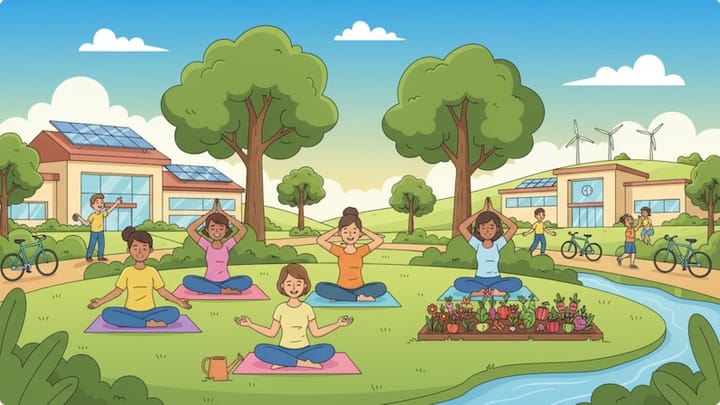
Try Yoga for Mindful Movement and Calm
Yoga combines physical movement with breath control to reduce both mental and physical tension. This practice helps teachers focus on the present moment rather than dwelling on classroom stressors.
Many yoga styles suit different needs and experience levels. Gentle flows work well for beginners or those seeking relaxation.
More active styles provide stronger physical challenges while still promoting mental calm. Teachers can practice yoga at home using free online videos or join local classes for guided instruction.
Sessions can last anywhere from 10 minutes to an hour. Even brief yoga practices help reduce anxiety and improve body awareness.
The breathing techniques in yoga activate the body's relaxation response. This counteracts the stress response that builds up during long teaching days.
Regular yoga practice improves flexibility, strength, and mental focus.
Stretching and Forward Folds to Release Tension
Simple stretching exercises release physical tension that accumulates from hours of standing, sitting, or moving around the classroom. Teachers often hold stress in their neck, shoulders, and back.
Forward folds specifically target the spine and hamstrings while calming the nervous system. To perform a basic forward fold, teachers stand with feet hip-width apart and slowly bend forward from the hips.
The head hangs heavy, and arms dangle toward the floor. This position increases blood flow to the brain and gently stretches the entire back body.
Holding the pose for 30 seconds to a minute allows muscles to release gradually. Teachers should bend their knees slightly if they feel strain.
Other useful stretches include neck rolls, shoulder shrugs, and seated twists. These movements take just minutes but provide immediate relief from physical discomfort.
Stretching before bed helps teachers unwind and prepare for restful sleep.
Relaxation Techniques for Mental and Emotional Relief
Teachers can use specific relaxation methods to calm their minds and release tension after demanding school days. These techniques help reduce anxiety, improve mental clarity, and restore emotional balance through focused breathing, meditation, and sensory experiences.
Breathing Exercises and Deep Breathing
Deep breathing offers immediate stress relief by activating the body's natural calming response. Teachers can practice simple breathing exercises anywhere, making them ideal for quick breaks between classes or when arriving home.
One effective method involves inhaling slowly through the nose for four counts, holding the breath for four counts, and exhaling through the mouth for six counts. This pattern slows the heart rate and helps calm the mind within minutes.
Basic Breathing Techniques:
- Box Breathing: Inhale for 4 counts, hold for 4, exhale for 4, hold for 4.
- 4-7-8 Method: Breathe in for 4 counts, hold for 7, breathe out for 8.
- Belly Breathing: Place one hand on the chest and one on the stomach, focusing on expanding the belly with each breath.
Teachers should practice these exercises for 5-10 minutes daily. Even two minutes of focused breathing can reduce anxiety and create mental clarity when stress levels rise.
Guided and Mindful Meditation
Guided meditation provides structure for teachers who find it difficult to quiet their thoughts after a busy day. Apps like Headspace offer short sessions specifically designed for stress relief, ranging from 3 to 20 minutes.
Mindfulness practices help teachers focus on the present moment rather than worrying about classroom challenges or tomorrow's lesson plans. A teacher can sit comfortably, close their eyes, and follow audio instructions that guide attention to breath, body sensations, or peaceful imagery.
Mindfulness meditation doesn't require special equipment or training. Teachers can start with just five minutes daily, gradually increasing the duration as the practice becomes more comfortable.
The key is consistency rather than length. Many teachers find morning meditation helps them approach the school day with greater calm, while evening sessions help release accumulated tension.
Regular meditation practice strengthens the ability to manage stress and maintain emotional balance throughout the school year.
Progressive Muscle Relaxation
Progressive muscle relaxation helps release physical stress that builds up in the body during long teaching days. This technique involves tensing specific muscle groups for 5-10 seconds, then releasing the tension while noticing the difference between tight and relaxed muscles.
Teachers start with their feet, squeezing the muscles tightly before letting go. They then move upward through the legs, stomach, hands, arms, shoulders, neck, and face.
The entire sequence takes 10-15 minutes and can be done while sitting or lying down. This method proves especially helpful for teachers who carry stress in their shoulders, neck, or jaw from standing, speaking, and managing active classrooms.
The physical release often leads to mental relaxation as well.
Practicing Calming Music and Nature Sounds
Calming music and nature sounds create a peaceful environment that helps teachers transition from work mode to personal time. Soft instrumental music, ocean waves, rainfall, or forest sounds can lower stress levels and promote relaxation.
Teachers can play these sounds while cooking dinner, taking a bath, or preparing for bed. The auditory input gives the mind something gentle to focus on instead of replaying classroom events.
Research shows that nature sounds specifically help reduce anxiety and improve mood. A 20-30 minute session with headphones allows for deeper immersion in the calming experience.
Many streaming services and apps offer playlists designed specifically for stress relief and relaxation.
Creating a Soothing Home Environment
A teacher's home should serve as a retreat from classroom stress. Simple changes like using calming scents, soaking in warm water, enjoying herbal tea, and adjusting lighting can transform any space into a peaceful sanctuary.
Aromatherapy Using Essential Oils
Essential oils offer a quick way to shift the mood of any room. Lavender promotes calmness and helps quiet racing thoughts after a hectic day.
Eucalyptus clears the mind and eases physical tension in the shoulders and neck. Teachers can use a diffuser in the living room or bedroom to spread these scents throughout their space.
A few drops on a pillowcase or cotton ball works just as well. Some educators keep a small roller bottle of diluted essential oil in their bag to use during their commute home.
Combining scents creates different effects. Lavender and chamomile work well together for bedtime routines.
Eucalyptus mixed with peppermint provides an energizing reset for evening tasks. The key is finding scents that feel naturally soothing rather than overwhelming.
Taking a Warm or Hot Bath
A warm bath does more than clean the body. It releases physical tension that builds up from standing, moving between classrooms, and carrying materials all day.
The heat helps tight muscles relax and signals to the nervous system that it's time to unwind. Adding Epsom salts to the water increases the benefits.
These salts contain magnesium, which absorbs through the skin and helps reduce muscle soreness. A hot bath with Epsom salts before bed can improve sleep quality.
Teachers don't need fancy products to make bath time restorative. Dimming the lights and playing soft music turns a regular bath into a mini spa experience.
Even 15 minutes of soaking can make a noticeable difference in stress levels.
Sipping Herbal Tea
Herbal tea provides both physical warmth and mental comfort. Chamomile tea is known for promoting relaxation and preparing the body for sleep.
Peppermint tea soothes digestive issues that often flare up during stressful periods. The act of making tea itself serves as a mindful break.
Boiling water, steeping the tea bag, and sitting down to drink it creates a mini ritual that separates work time from personal time. This simple routine helps the brain shift out of teacher mode.
Teachers can keep a variety of caffeine-free teas on hand to match different needs. Ginger tea works well for settling an upset stomach.
Lavender tea offers calming benefits similar to the essential oil. The warmth of the cup in hand provides instant physical comfort.
Transforming Your Space with Lighting and Ambience
Harsh overhead lights can keep the body in an alert state. Switching to softer lighting in the evening helps signal that the day is winding down.
Table lamps, string lights, or dimmable bulbs create a gentler atmosphere that supports relaxation. Warm-toned bulbs work better than cool white lights for evening hours.
They don't interfere with natural sleep patterns the way blue-toned light does. Some teachers use smart bulbs that can be adjusted throughout the evening.
Candles add both soft light and pleasant scent to a room. Even battery-operated candles provide the visual effect of flickering light without any fire risk.
Sound also shapes how a space feels. A white noise machine blocks out distracting sounds from neighbors or traffic.
Soft instrumental music or nature sounds can fill silence without demanding attention. These small changes help create a space that truly feels like a refuge from the demands of teaching.
Creative and Reflective Self-Care Practices
Creative outlets and reflective activities provide teachers with meaningful ways to process emotions and redirect mental energy. These practices help restore mental well-being by offering structured time for personal expression and thoughtful consideration of daily experiences.
Reading for Enjoyment and Escape
Reading offers teachers a quick mental escape from classroom responsibilities. A good book transports the mind to different worlds and perspectives.
Teachers can set aside 20-30 minutes each evening to read a book purely for pleasure. Fiction provides imaginative stories that engage the mind differently than educational materials.
Self-help books offer practical strategies for managing stress and improving daily habits. Creating a reading routine signals to the brain that work time has ended.
Teachers might keep a book on the nightstand or create a comfortable reading corner. Some prefer audiobooks during commutes or while doing household tasks.
The key is choosing material that brings genuine enjoyment rather than feeling like another obligation.
Journaling and Gratitude Practice
Journaling helps teachers process the emotions and events that accumulate during school days. Writing thoughts on paper clears mental clutter and provides perspective on challenging situations.
A gratitude practice within journaling shifts focus toward positive experiences. Teachers can list three specific things they appreciated each day, such as a student's breakthrough moment or a supportive colleague's help.
This practice trains the brain to notice good moments even during difficult weeks.
Simple journaling formats:
- Stream of consciousness writing for 10 minutes
- Answering specific prompts about the day
- Listing wins and challenges separately
- Recording funny or heartwarming student moments
The physical act of writing engages different brain pathways than typing. Many teachers find handwriting more therapeutic and personal than digital journaling.
Indulging in Hobbies Like Painting and Knitting
Creative hobbies provide sensory engagement that pulls attention away from work worries. Painting, knitting, and similar activities require enough focus to quiet racing thoughts without demanding intense concentration.
These hobbies create tangible results that contrast with teaching's often intangible outcomes. Finishing a knitted scarf or completing a painting offers immediate satisfaction.
The repetitive motions in activities like knitting can be meditative and calming. Teachers don't need advanced skills to benefit from creative hobbies.
Beginner-level projects work just as well for stress relief. Adult coloring books, simple watercolor exercises, or basic knitting patterns provide structure for those new to these activities.
Setting up a dedicated hobby space, even just a corner with supplies, makes it easier to engage regularly.
Writing as a Therapeutic Outlet
Writing serves as both creative expression and emotional processing for teachers. Unlike journaling about daily events, therapeutic writing explores feelings, fictional stories, or personal essays without strict structure.
Some teachers write short stories or poetry to channel emotions constructively. Others maintain blogs about teaching experiences or personal interests.
The act of shaping thoughts into coherent sentences helps organize complex feelings. Writing also offers teachers a sense of control.
They choose the topics, tone, and direction without external demands. Even 15 minutes of freewriting before bed can release tension built up throughout the day.
Teachers who enjoy writing might join online writing groups or share work with trusted friends for added connection and feedback.
Social Connection and Digital Unplugging
Building meaningful relationships and stepping away from screens offers teachers powerful ways to reduce anxiety and restore mental well-being. Face-to-face interactions, shared meals, and intentional breaks from technology create space for genuine relaxation after demanding school days.
Spending Time with Loved Ones and Social Support
Teachers who prioritize time with friends and family often find relief from the isolation that teacher burnout can create. Regular social connections provide emotional support and remind educators of their identity beyond the classroom.
Simple activities work best for building these connections. Game nights, movie outings, or taking walks together require minimal planning but create lasting memories.
Even short conversations over coffee can help teachers process their day and gain perspective on work challenges.
Strong social bonds offer specific benefits:
- Reduced feelings of work-related stress
- Fresh perspectives on classroom problems
- Emotional validation from people who care
- Natural breaks from thinking about school
Teachers should schedule these activities as non-negotiable commitments. When social time becomes optional, it often gets pushed aside for grading or lesson planning.
Unplugging from Technology to Recharge
Constant digital engagement drains mental energy and makes it harder for teachers to fully relax. Setting boundaries with devices helps create true separation between work and personal time.
Teachers can start with tech-free blocks during specific times. Mornings before school or the first hour after arriving home work well for many educators.
During these periods, phones stay in another room and computers remain closed. Turning off work email notifications after school hours protects personal time.
Many teachers check messages constantly, which keeps their minds in work mode even during supposed breaks. A simple rule helps: no school emails after 6 PM on weekdays or at all on weekends.
Screen-free activities naturally replace scrolling time. Reading physical books, cooking, or exercising become more appealing when devices aren't competing for attention.
Teachers often report better sleep quality when they unplug at least one hour before bed.
Cooking or Sharing Meals for Relaxation
Preparing food offers teachers a hands-on activity that engages different parts of the brain than classroom work. The process of chopping vegetables, measuring ingredients, and following recipes provides structure without the pressure of school responsibilities.
Cooking creates clear beginnings and endings, unlike grading stacks that never seem to finish. Teachers can see immediate results from their efforts, which provides satisfaction after days spent on long-term educational goals.
Cooking with a partner or friend turns a basic task into quality time. Teachers can talk through their day while working together on dinner, combining stress relief with social connection.
Planning simple recipes prevents cooking from becoming another source of stress. One-pot meals, slow cooker dishes, or familiar favorites require less mental energy than complex new recipes.
The goal is relaxation, not culinary perfection.
Laughter and Play for Emotional Balance
Play activities help teachers shift out of the serious, responsible mindset that classroom management demands. Engaging in fun without educational purpose gives the brain permission to fully rest.
Board games, sports, or creative hobbies work well for this purpose. These activities require enough focus to distract from work worries but remain enjoyable rather than stressful.
Laughter with friends or family provides immediate physical stress relief. It lowers cortisol levels and releases tension that builds up during challenging school days.
Teachers might watch comedy shows, attend local improv performances, or simply share funny stories from their week. Scheduling at least one playful activity each week creates something positive to anticipate during difficult teaching moments.
Frequently Asked Questions
Teachers often have questions about managing stress effectively while balancing their demanding schedules. Physical activity, mindfulness practices, and clear boundaries help reduce stress and prevent burnout.
What are some effective stress relief activities that teachers can engage in after school hours?
Walking outdoors provides immediate stress relief after a long school day. The fresh air and change of scenery help lower cortisol levels and clear the mind.
Teachers can leave their phones behind to fully disconnect from work-related concerns. Reading a book offers an escape from daily pressures.
Physical books work better than digital devices because they avoid blue light exposure before bedtime. This activity allows teachers to shift their focus away from classroom challenges.
Taking a warm bath with Epsom salts relaxes tense muscles. Adding lavender or eucalyptus essential oils creates a calming atmosphere.
The warm water helps the body transition from an active state to a restful one. Journaling helps process the day's events and emotions.
Teachers can write about positive moments, list concerns, or plan for the next day. This practice clears mental clutter and provides a sense of control.
How can teachers incorporate mindfulness into their daily routine to reduce stress?
Deep breathing exercises take only a few minutes and can happen anywhere. Teachers breathe in through the nose for four counts, hold for four counts, and exhale through the mouth for six counts.
This simple technique activates the body's natural relaxation response. Progressive muscle relaxation releases physical tension stored in the body.
Teachers tense each muscle group for five seconds, then release, starting from the toes and moving upward. This practice works well before bed or during planning periods.
Mindful pauses before responding to challenging situations help reduce reactive behavior. Taking three deep breaths before addressing a disruptive student allows for better decision-making.
This awareness prevents stress from escalating throughout the day. Gratitude practice shifts focus toward positive aspects of teaching.
Teachers can write down three specific things they appreciate each evening. This habit reduces stress by changing perspective from problems to possibilities.
What is the '10 minute rule' for teachers and how can it help alleviate stress?
The 10 minute rule involves dedicating short time blocks to stress-reducing activities. Teachers use 10 minutes for quick exercises like stretching, breathing, or stepping outside.
These brief breaks prevent stress from building up over the course of the day. This approach works because it feels manageable even during busy schedules.
Teachers don't need to find large chunks of time to care for themselves. Multiple 10-minute sessions throughout the week add up to significant stress relief.
Teachers can apply the rule to various activities. Ten minutes of journaling, reading, or listening to calming music provides mental rest.
The key is consistency rather than duration.
Can regular physical exercise contribute to lower stress levels in teachers, and what kinds are most beneficial?
Physical activity directly reduces stress hormones in the body. Exercise releases endorphins that improve mood and promote relaxation.
Teachers who move regularly report feeling more energized and less overwhelmed. Walking is one of the most accessible forms of exercise for teachers.
A 20-minute walk after school helps transition from work mode to personal time. This low-impact activity requires no special equipment or training.
Yoga combines physical movement with mindfulness practices. It builds strength while teaching breathing techniques that calm the nervous system.
Many teachers find that yoga helps them sleep better and manage classroom stress more effectively. Swimming provides a full-body workout without putting stress on joints.
The repetitive nature of swimming can feel meditative. Water-based exercise is particularly helpful for teachers who spend all day on their feet.
In what ways can teachers practice self-care to combat burnout and maintain a healthy work-life balance?
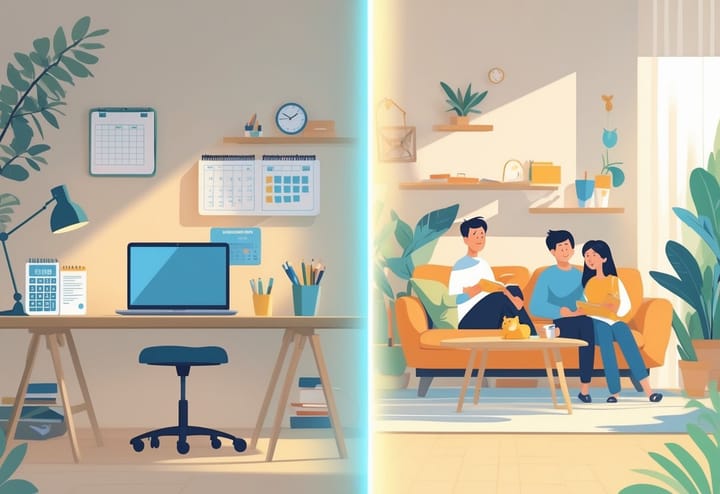
Setting clear boundaries between work and personal time protects mental health. Teachers can establish a specific time when they stop checking emails or grading papers.
This separation allows the mind to fully rest and recharge. Creating a soothing home environment supports relaxation.
Dimming lights, using calming scents, and playing soft music signals to the brain that work is over. These environmental cues help teachers shift out of professional mode.
Disconnecting from technology reduces mental stimulation. Teachers can put phones in another room or use airplane mode during evening hours.
Avoiding social media and work communications prevents stress from following them home. Drinking herbal tea provides a calming ritual.
Chamomile reduces anxiety, peppermint soothes tension, and lemon balm promotes better sleep. The act of preparing and sipping tea creates a mindful moment of rest.
What strategies can be used to manage stressful classroom situations effectively?
Recognizing personal stress triggers allows teachers to respond rather than react. Noticing increased heart rate or tension before a challenging interaction provides valuable information.
This awareness creates space for choosing a calm response. Taking a mindful pause before addressing disruptions reduces tension.
Three deep breaths give teachers time to assess the situation clearly. This brief delay often prevents situations from escalating unnecessarily.
Planning stress-relief activities into the daily schedule prevents overwhelm. Teachers can use transition times between classes for quick breathing exercises or stretches.
These small interventions maintain emotional balance throughout the school day.